
Buy Propecia Online in the United States for Fast Delivery
October 20, 2026Buy Viagra without Prescription in the United States Online
October 20, 2026- Home/
- Buy Lasix at Low Price in the United States Online
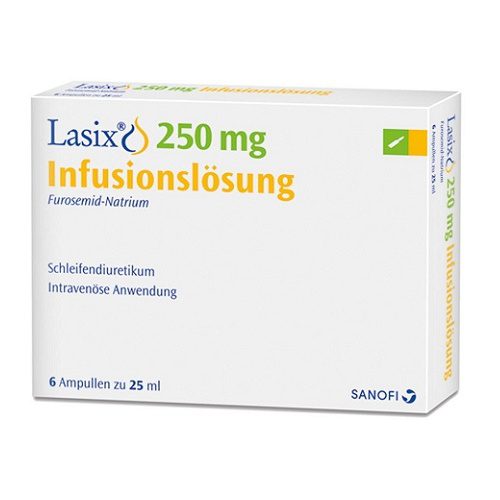
Lasix (Furosemide) in the United States: A Comprehensive Medical Guide for Safe Use in Edema
Is a Prescription Required for Lasix in the United States?
Yes, Lasix (furosemide) is a prescription-only medication in the United States. It is illegal to purchase or use Lasix without a valid prescription from a licensed healthcare provider. This regulation is enforced by the United States Food and Drug Administration (FDA) to protect patients from misuse, dangerous side effects, and counterfeit products.
Summary: Key Facts about Lasix (Furosemide)
| Parameter | Key Details |
|---|---|
| Active Ingredient | Furosemide |
| Indication | Edema (fluid retention), heart failure, liver disease, kidney disorders, hypertension |
| Prescription Required? | Yes, always (United States law) |
| Onset of Action | 30–60 minutes (oral), 5 minutes (IV) |
| Main Contraindication | Severe electrolyte imbalance, allergy to sulfonamides, anuria |
| Typical Price Range | $10–$40 for a 30-tablet supply (2026, varies by pharmacy & insurance) |
- Lasix is a loop diuretic, removing excess fluid via the kidneys.
- Improper use may cause serious electrolyte imbalances.
- Only obtain Lasix from licensed U.S. pharmacies.
- Never mix Lasix with certain blood pressure or heart medications without supervision.
What Is Lasix (Furosemide) and How Is It Used?
Lasix, with the active ingredient furosemide, is a widely prescribed “loop diuretic” used to treat edema—the medical term for abnormal fluid retention. Edema may occur due to disorders such as heart failure, liver cirrhosis, kidney disease, or high blood pressure. Lasix helps by prompting the kidneys to excrete excess sodium and water, leading to increased urine output and a reduction in swelling or high blood pressure.
Lasix is available in several formulations, including tablets (most common), oral solution, and injectable form (used mainly in hospitals). In the United States, Lasix is most often prescribed to adults, but pediatric and geriatric dosing is possible under specialist supervision. The drug’s efficacy and safety profile have been documented in numerous clinical trials, with recent data confirming its continued role in modern treatment protocols for congestive heart failure and chronic kidney disease [FDA].
Bottom line: Lasix is a powerful medication and should only be used under the guidance of a qualified healthcare provider who can tailor the dose and monitor for side effects.
How Does Lasix Work in the Body?
- Scientific Mechanism
-
Lasix (furosemide) acts by inhibiting the sodium-potassium-chloride cotransporter (NKCC2) located in the thick ascending limb of the loop of Henle in the kidneys. By blocking this transporter, Lasix prevents the reabsorption of sodium and chloride, leading to increased excretion of sodium, chloride, and water in the urine.
Key result: Rapid loss of fluid (diuresis), reduced blood volume, and a decrease in tissue swelling or blood pressure.
Metaphor: Imagine your kidneys as a sponge with a “gate” that usually lets salt and water back into your bloodstream. Lasix locks that gate open, so the water and salt flow out instead of being reabsorbed. - Triggers & Requirements
- Lasix is effective regardless of food intake but works fastest on an empty stomach. Adequate kidney blood flow is required—if the kidneys don’t get enough blood (as in severe heart failure), Lasix may be less effective.
- Duration
- The effect typically begins within 30–60 minutes after oral intake and peaks at about 1–2 hours.
- Recent Clinical Data
- A 2023 multicenter study confirmed that Lasix remains effective for reducing edema in over 88% of patients with heart failure, with a predictable safety profile when monitored appropriately [PubMed].
Myth vs Reality
Myth: Lasix works instantly for everyone.
Reality: Effectiveness depends on kidney function, fluid status, and other medications you may be taking.
Expert Commentary from Doctor
One of the most common misconceptions I encounter is that Lasix is a “quick fix” for swelling, and patients sometimes take extra doses when they don’t see immediate results. In reality, overuse can quickly lead to dehydration or dangerous drops in potassium—especially in elderly patients or those with heart conditions. Another frequent scenario: patients forget that Lasix may interact with blood pressure pills or nonsteroidal anti-inflammatory drugs (NSAIDs), reducing its effectiveness. My advice? Never adjust your Lasix dose without consulting your physician, and always inform your healthcare provider about all other medications or supplements you are taking.
How to Take Lasix: Dosing, Timing, and Duration
| Population | Starting Dose | Max Daily Dose | Peak Effect | Duration |
|---|---|---|---|---|
| Adults (oral) | 20–40 mg once daily | 600 mg | 1–2 hours | 6–8 hours |
| Elderly | Start at 20 mg | Lower max (<400 mg) | 1–2 hours | 6–8 hours |
| Children | 1–2 mg/kg once daily | 6 mg/kg | 1–2 hours | 6 hours |
- Standard regimen: Once daily in the morning, with or without food.
- Tablet splitting: Lasix tablets may be split if scored, but always consult your pharmacist to ensure the formulation allows it.
- Missed dose: Skip and return to your regular schedule. Do not double up.
- Duration of therapy: Varies; may be short-term (for acute swelling) or long-term (chronic heart failure).
- Important: Never exceed the maximum recommended daily dose (600 mg adults, 400 mg elderly, 6 mg/kg children).
Clinical insight: Some patients may require dose adjustments based on their kidney function, blood pressure, or response to therapy. Routine blood tests to check electrolytes and kidney function are essential.
Lasix and Food, Alcohol, and Lifestyle Factors
| Substance/Food | Effect on Lasix | Advice |
|---|---|---|
| High-fat meal | Delays absorption by up to 1 hour | Take on an empty stomach for fastest action |
| Grapefruit juice | No direct interaction reported | Can be used, but not required |
| Alcohol | Potential for additive blood pressure lowering, dehydration | Limit to minimal amounts (1 drink/day or less), avoid binge drinking |
| Salt-rich foods | Counteracts effect | Follow low-sodium diet as advised |
- Do not: Consume excessive alcohol. This increases risk of lightheadedness, falls, and kidney injury.
- Do: Stay hydrated, but avoid sudden increases in fluid intake unless directed by your doctor.
- Diet tip: A diet high in potassium-rich foods (unless contraindicated) can help offset potassium loss.
Lasix can be taken with or without food, but absorption may be slower with heavy meals. Always consult your doctor regarding any dietary restrictions.
Who Should Not Take Lasix? Contraindications and Red Flags
Absolute Contraindications (Never Use)
- Allergy to furosemide or other sulfonamide-derived medications
- Anuria (kidneys not producing urine)
- Severe electrolyte imbalances (e.g., critically low potassium or sodium)
- Severe dehydration
- Hepatic coma (severe liver dysfunction)
Relative Contraindications (Use with Caution)
- Moderate kidney impairment (may require dose adjustment)
- Gout (risk of attack increases)
- Low blood pressure (<90/60 mmHg)
- Pregnancy and breastfeeding (only if benefits outweigh risks)
- Diabetes mellitus (may worsen blood sugar control)
Medication interactions that require special caution:
- Other antihypertensive drugs (may cause excessive blood pressure drop)
- NSAIDs (ibuprofen, naproxen): may blunt Lasix effect and increase kidney risk
- Digoxin, lithium: increased toxicity risk due to electrolyte changes
- Certain antibiotics (aminoglycosides): increased risk of hearing loss
Bottom line: Always review your full medication list with your doctor before starting Lasix.
What Side Effects Are Most Common with Lasix?
| Frequency | Adverse Effect | Explanation | Action Required |
|---|---|---|---|
| Very Common (>1/10) | Increased urination, low potassium (hypokalemia), low sodium (hyponatremia) | Expected result of increased kidney excretion | Routine blood tests, adjust diet/supplements |
| Common (1/100–1/10) | Dizziness, headache, low blood pressure, dehydration | Fluid and salt loss | Report to doctor; may need dose adjustment |
| Rare (1/10,000–1/1,000) | Hearing loss (high IV doses), muscle cramps, gout attack | Rapid electrolyte shifts | Urgent doctor consult if symptoms occur |
| Very Rare (<1/10,000) | Severe allergic reaction (rash, swelling, difficulty breathing) | Immune response | Emergency: Call 911 or seek ER care |
- If you experience fainting, severe weakness, or irregular heartbeat while on Lasix, these may signal life-threatening electrolyte disturbances. Seek immediate medical attention.
- Report persistent cramps, confusion, or hearing changes to your healthcare provider promptly.
- Mild increased urination and thirst are expected but should not be extreme.
Common Patient Mistakes Observed by Doctor
-
Taking Lasix late in the day. Leads to nighttime urination and sleep disruption.
Fix: Take in the morning unless otherwise directed. -
Skipping blood tests. Missing lab checks can hide dangerous electrolyte imbalances.
Fix: Follow up with all scheduled bloodwork. -
Doubling up on missed doses. Increases risk of dehydration or low blood pressure.
Fix: If you miss a dose, skip it—do not double next time. -
Mixing with over-the-counter painkillers (NSAIDs). Reduces effectiveness and harms kidneys.
Fix: Always check drug interactions before starting new medications. -
Assuming dietary salt doesn’t matter. High-salt diets counteract Lasix.
Fix: Stick to a low-sodium diet as advised by your provider. -
Stopping Lasix abruptly. May cause rebound fluid buildup.
Fix: Only stop or change your dose according to your doctor’s instructions.
Lasix vs Alternatives: Which Diuretic Is Right for You?
| Medication | Type | Onset | Duration | Main Use | Common Side Effects | Approx. Price (30 tablets, 2026, USD) |
|---|---|---|---|---|---|---|
| Lasix (furosemide) | Loop diuretic | 30–60 min (oral) | 6–8 hrs | Edema, heart failure, CKD | Electrolyte loss, dehydration | $10–$40 |
| Bumex (bumetanide) | Loop diuretic | 30–60 min (oral) | 4–6 hrs | Edema, heart failure | Similar to Lasix | $25–$60 |
| Hydrochlorothiazide | Thiazide diuretic | 2 hrs (oral) | 12–18 hrs | Hypertension, mild edema | Lower risk of low potassium | $8–$20 |
| Torsemide | Loop diuretic | 60 min (oral) | 12 hrs | Edema, heart failure | Similar to Lasix | $12–$50 |
Summary: Lasix is often preferred for rapid, potent fluid removal. Other loop diuretics like Bumex and Torsemide may be used if Lasix is ineffective or not tolerated. Hydrochlorothiazide is more commonly used for blood pressure management and less severe edema.
Questions Frequently Asked to Doctor
- Can I take Lasix every day?
- For chronic conditions like heart failure, yes—if prescribed. Your doctor determines the safest schedule. Never increase frequency without medical advice.
- What happens if I miss a dose?
- Simply skip and take your next scheduled dose. Never double up. Monitor for signs of fluid retention and inform your doctor if they appear.
- Is it safe to take Lasix with my blood pressure medicine?
- Often, yes, but certain combinations can cause excessively low blood pressure or electrolyte issues. Always inform your doctor of all medications you take, including over-the-counter and supplements.
- How long does it take for Lasix to start working?
- Generally, 30–60 minutes after an oral dose. If you don’t see any effect after a few hours, do not take more—contact your doctor.
- Can Lasix cause dehydration?
- Yes, especially in hot weather, elderly patients, or if you take too much. Watch for signs like dry mouth, dizziness, or low urine output. Report any of these to your healthcare provider promptly.
- Is Lasix safe for older adults?
- With careful monitoring, yes. Older adults are more susceptible to electrolyte disturbances and dehydration, so lower starting doses and frequent blood tests are recommended.
Compatibility Check: Lasix with Other Medications and Substances
| Product/Drug | Can be combined? | Possible Consequences |
|---|---|---|
| Aspirin (low dose) | Yes | Generally safe; monitor kidney function |
| Ibuprofen, naproxen | Use with caution | Reduced diuretic effect, risk of kidney injury |
| Lisinopril, losartan, other blood pressure meds | Yes, but monitor | Risk of low BP, kidney issues—requires doctor supervision |
| Digoxin | With close monitoring | Increased digoxin toxicity risk with low potassium |
| Lithium | No | Increased lithium toxicity—generally avoid |
| Alcohol | Limit | Greater risk of dehydration, dizziness |
Pharmacokinetics: How Is Lasix Absorbed, Metabolized, and Eliminated?
Absorption: Lasix is rapidly absorbed from the gastrointestinal tract, but oral bioavailability varies (about 50%). Peak levels in blood plasma occur within 1–2 hours after ingestion.
Metabolism: Only a small fraction is metabolized in the liver; most furosemide is excreted unchanged.
Elimination: Kidneys are the primary route; Lasix is excreted in urine. Small amounts exit through bile.
Half-life (T1/2): Approximately 1.5–2 hours in healthy adults; prolonged in kidney or liver dysfunction.
Clinical insight: In chronic kidney disease, the effect may be slower, and blood levels may be higher, increasing risk of side effects.
Special Considerations for Older Adults, Children, and Chronic Illness
- Elderly: Start with lower doses. More frequent lab monitoring. Increased risk of falls, confusion, and dehydration.
- Children: Dosage based on body weight. Only to be used under pediatric specialist care.
- Chronic kidney or liver disease: May require higher or lower doses depending on residual function. Close supervision required.
- Pregnancy & breastfeeding: Only if the benefits outweigh the risk. Lasix can diminish milk production.
- Driving & machinery: Dizziness or weakness may occur—do not operate vehicles until you know your response to Lasix.
How to Obtain Lasix Legally in the United States: Step-by-Step
- Consultation: Schedule an appointment with a licensed healthcare provider (in-person or via a secure telemedicine platform).
- Medical Evaluation: Your doctor will evaluate your symptoms, medical history, and may order laboratory tests.
- Prescription Issuance: If Lasix is indicated, your provider will generate an electronic or paper prescription.
- Pharmacy Fulfillment: Fill your prescription at a licensed U.S. pharmacy—either in person or through an accredited online pharmacy (look for the BeSafeRx program).
- Insurance & Cost: Many insurance plans, Medicare, and Medicaid cover generic furosemide. Out-of-pocket cost varies ($10–$40/30 tablets).
- Follow-up: Attend all recommended follow-up visits and lab tests.
Warning: Buying Lasix from sites that do not require a valid prescription puts you at risk for counterfeit medication, legal consequences, and health hazards.
How to Identify Genuine Lasix vs Counterfeit and Generics
- Genuine Lasix packaging (United States): White-and-blue box with “Lasix” and “furosemide” clearly labeled. Tablets are usually white, round, with an imprint (e.g., “Lasix 40”).
- Security features: U.S. packaging often includes a lot number, expiration date, and (on many generics) a scannable QR code or hologram.
- Generics: Furosemide generics are FDA-approved, contain the same active ingredient, but may differ in shape, color, or excipients (inactive ingredients). Generics are generally safe and cost-effective.
- Warning signs of counterfeits: Misspellings, inconsistent font, low price (less than $5 for a month’s supply), lack of manufacturer details, or missing safety seals.
Myth vs Reality
Myth: Generic furosemide is less effective than brand-name Lasix.
Reality: FDA-approved generics are required to meet the same efficacy standards as branded versions.
What to Do If You Take Too Much Lasix: Overdose Protocol
- Stop taking Lasix immediately.
- Contact your local emergency services (call 911) or go to the nearest emergency room.
- Inform the medical team: Provide exact dose taken, time, and any symptoms (dizziness, confusion, fainting, rapid heartbeat).
- Do not attempt to self-treat at home. Overdose can cause severe dehydration, dangerously low blood pressure, kidney failure, or heart rhythm disturbances.
- Bring your medication bottle or packaging for identification.
If in doubt, always seek professional care immediately—delays can be life-threatening.
Empathy & Support for Living with Edema
Edema and related conditions are common, and many people in the United States manage them successfully with treatment and lifestyle changes. If you feel overwhelmed, remember that you are not alone—talk to your doctor, pharmacist, or a support group. Open communication with loved ones and healthcare providers can make a significant difference.
Quality Check: What Should Genuine Lasix Look Like?
- Tablet: White, round, with “Lasix” and strength (e.g., “40”) imprinted.
- Blister pack or bottle: Manufacturer name (e.g., Sanofi), expiration date, batch/lot number.
- Package: U.S. FDA-approved packaging; may include a tamper-evident seal or QR code.
- Suspicious features: Blurred printing, inconsistent tablet color, missing safety seals—do not use and report to your pharmacist.
Professional Opinion of Doctor
In my clinical experience, Lasix is most beneficial for patients with significant fluid overload due to heart failure, liver cirrhosis, or advanced kidney disease. Its fast onset and potent diuretic effect make it the preferred choice when rapid symptom relief is needed. That said, the risk of electrolyte disturbances, dehydration, and blood pressure drops is not trivial—especially in frail elderly or those with multiple chronic illnesses. For patients with mild swelling or primarily high blood pressure, milder diuretics or non-drug interventions may be preferable. Ultimately, Lasix is a powerful but nuanced tool: its benefits are maximized and risks minimized through personalized dosing, close monitoring, and constant communication between patient and provider.
Frequently Asked Questions about Lasix
- Can I buy Lasix without a prescription in the United States?
- No. Lasix is only available through a prescription from a licensed healthcare provider.
- How quickly does Lasix start working?
- Oral Lasix usually works within 30–60 minutes; the intravenous form works in about 5 minutes.
- Is it safe to use Lasix long-term?
- With regular monitoring of electrolytes and kidney function, long-term use can be safe under medical supervision.
- Does Lasix cause weight loss?
- It may cause rapid weight loss from fluid, not from fat. This effect is not permanent and is not recommended for weight loss.
- Can I take Lasix for high blood pressure?
- Sometimes, but it’s not the first-line medication for most cases. Your doctor will determine if it is appropriate.
- What happens if I stop Lasix suddenly?
- You may experience rebound swelling or fluid buildup. Always taper or stop only as directed by your healthcare provider.
- Is Lasix covered by insurance?
- Yes, most health insurance plans and Medicare cover generic furosemide, but coverage details vary by plan.
References & Sources
- U.S. Food and Drug Administration (FDA), Lasix [Label Information], https://www.fda.gov/, Accessed 2026.
- Mayo Clinic, “Furosemide (Oral Route) Description and Brand Names,” https://www.mayoclinic.org/, Accessed 2026.
- PubMed (National Library of Medicine), “Loop Diuretic Therapy: Recent Clinical Advances,” https://pubmed.ncbi.nlm.nih.gov/, Accessed 2026.
- American Heart Association, “Managing Edema and Heart Failure Medication,” https://www.heart.org/, Accessed 2026.
- BeSafeRx (FDA), “Buying Medicines Online,” https://www.fda.gov/drugs/besaferx-your-source-online-pharmacy-information, Accessed 2026.
- ClinicalTrials.gov, “Lasix in Heart Failure,” https://clinicaltrials.gov/, Accessed 2026.
For further guidance, always consult a board-certified physician who specializes in the treatment of edema. Large academic medical centers in United States cities such as Boston, New York, Houston, Chicago, and Los Angeles have dedicated heart failure and nephrology clinics able to provide comprehensive evaluation and management.
