
Buy Seroquel in Online Pharmacy in United States
October 20, 2026Buy Prednisolone at Low Price in the United States Online
October 20, 2026- Home/
- Buy Ventolin Inhaler in Online Pharmacy in United States
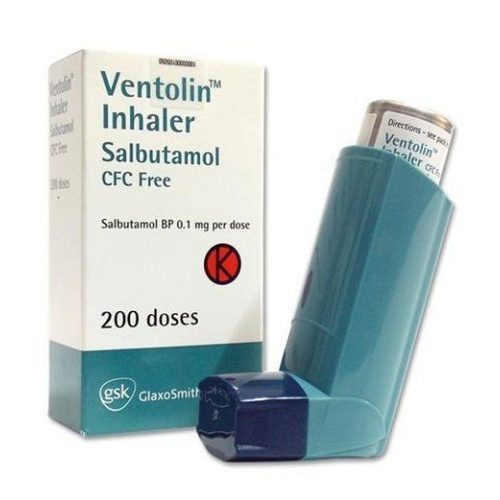
Ventolin Inhaler is a fast-acting rescue inhaler containing salbutamol, used to relieve sudden asthma symptoms in the United States. Its most important role: stopping asthma attacks—fast. Before you reach for Ventolin, you need to know not just how quickly it works, but where its limits lie.
Why Ventolin Inhaler Remains the Go-To for Sudden Asthma Relief—And What That Means for You
Rush hour, the subway platform packed, and you feel your chest tightening. A deep inhale doesn’t get you far. For many Americans with asthma, a blue Ventolin inhaler tucked in a pocket is as essential as a wallet or keys. The reason is simple: when your airways suddenly narrow, Ventolin is engineered to open them—fast.
But convenience is only part of the story. Ventolin’s dominance as a “rescue” inhaler in the United States comes from decades of use, ample evidence, and its specific ability to work within minutes. That speed is not a luxury; it’s a safeguard. Yet, what most patients don’t realize is that this speed is both Ventolin’s greatest asset and its biggest limitation. It treats symptoms, not the underlying cause.
Clinical Insight: Many people think of Ventolin as their main asthma medicine. But experts agree: if you’re using it more than twice a week, your asthma is not under control and you need to reevaluate your treatment plan.
- When to reach for Ventolin: Sudden shortness of breath, wheezing, or chest tightness—especially if triggered by exercise, allergens, or cold air.
- When Ventolin is not enough: Nightly symptoms, persistent cough, or needing your inhaler more than your provider recommends.
- Why it matters: Relying on Ventolin to manage daily asthma means missing the chance to prevent attacks before they start.
Ventolin Inhaler is not your safety net for every asthma-related issue. It’s your parachute for emergencies—reliable, but not meant for chronic support. Understanding this distinction could change the way you approach your entire treatment plan.
Beyond Immediate Relief: What Salbutamol Actually Does Inside Your Airways
Salbutamol—known as albuterol in the United States—is not just another asthma drug. When you press down on your Ventolin inhaler, a precisely measured dose of salbutamol carries deep into your lungs, where it binds to beta-2 adrenergic receptors on airway muscle. The result: the muscles relax, the airways open, and you breathe easier—usually within minutes.
- Beta-2 Agonist
- A medication that stimulates beta-2 receptors in the lungs, causing airway muscles to relax and widen.
But what sets salbutamol apart from other asthma ingredients isn’t just speed. It has a relatively short duration—its effect typically lasts 4-6 hours. Some competitors, like formoterol, last longer, but trade immediate relief for that extra duration. For the patient in distress, nothing beats Ventolin for fast symptom control.
Expert Perspective: “Salbutamol is the workhorse of acute asthma care. Its rapid onset means we trust it in the emergency room, but outside of emergencies, it’s a signal to look deeper at asthma control.”
One thing salbutamol does not do: reduce airway inflammation. That job falls to other drugs, like inhaled corticosteroids. And while salbutamol’s safety record is strong, using it too often (or at very high doses) can cause tremors, palpitations, and, over time, even make airways more irritable.
How to Get the Most from Your Ventolin Inhaler—Technique, Timing, and Common Pitfalls
Even in the hands of longtime asthma patients, Ventolin inhalers aren’t always used correctly. Studies show that incorrect inhaler technique is one of the top reasons for poor asthma control in the United States. The good news: a few small changes in how you use your inhaler can mean the difference between instant relief and a wasted dose.
- Shake the inhaler well before each use. This ensures the medicine is properly mixed and the dose is accurate.
- Breathe out fully before bringing the inhaler to your mouth. This creates room in your lungs for the full dose.
- Seal lips tightly around the mouthpiece. Press down on the canister as you start to breathe in—not before, not after.
- Inhale slowly and deeply. This helps carry the medicine deep into your lungs, not just your throat.
- Hold your breath for 10 seconds, if possible, before exhaling gently.
If your doctor prescribes a spacer, use it. Spacers make delivery easier, especially for children and anyone who has trouble coordinating the spray and inhale. And always check the dose counter on your inhaler—many asthma attacks happen when the inhaler is empty or nearly so.
| Patient Group | Usual Dose for Acute Symptoms | Maximum in 24 Hours | Notes |
|---|---|---|---|
| Adults & Adolescents (12+) | 1-2 puffs as needed | 8 puffs | Higher doses only under medical supervision |
| Children (4-11) | 1 puff as needed | 4-6 puffs | Under adult supervision; adjust per doctor’s advice |
| Exercise-Induced Asthma | 2 puffs 15-30 min before activity | — | Consult physician if frequent use is required |
Remember: More is not always better. If you’re reaching for Ventolin more often than these guidelines, it’s crucial to consult your healthcare provider.
When Not to Use Ventolin Inhaler—Critical Warnings You Cannot Ignore
- You have a known allergy to salbutamol or any component of the inhaler. If you have ever experienced hives, swelling, or difficulty breathing after using Ventolin, seek emergency care and inform your doctor immediately.
- You have a history of severe, unstable heart rhythm problems that have worsened with previous beta-2 agonist use. Rapid heartbeats and palpitations can be dangerous for certain patients.
- Heart disease, especially arrhythmias or recent heart attack. Ventolin can raise heart rate and cause palpitations. If you have a cardiac history, discuss all asthma medications with your cardiologist and asthma provider.
- Overactive thyroid (hyperthyroidism): Salbutamol may worsen symptoms.
- Seizure disorders: Rarely, high doses of salbutamol can lower potassium, increasing seizure risk.
- Pregnancy and breastfeeding: Ventolin is generally considered safe but should only be used if the benefits outweigh the risks. Discuss with your provider.
If you’re uncertain about any of these, always consult your healthcare team before starting Ventolin—or if your situation changes.
Which Side Effects Matter Most with Ventolin Inhaler—and When to Act
The most common side effects with Ventolin Inhaler aren’t dangerous, but they can be unsettling. Tremor (shakiness), a rapid heartbeat, and mild headache are the most frequently reported. For most patients, these effects are mild, temporary, and fade as your body adapts or the medicine wears off.
- Paradoxical Bronchospasm
- Rarely, inhaled salbutamol can cause the airways to constrict even further instead of relaxing. If you notice your symptoms worsening immediately after using Ventolin, stop and seek medical attention.
Some side effects require immediate action. Chest pain, severe palpitations, or fainting are rare but serious. Allergic reactions—hives, swelling, difficulty breathing—demand emergency care.
| Side Effect | Frequency | When to Contact a Doctor |
|---|---|---|
| Tremor (shakiness) | Common | If severe or persistent, especially if interfering with daily activities |
| Rapid heart rate (palpitations) | Common | If associated with chest pain, fainting, or does not resolve within an hour |
| Mild headache | Common | If severe, recurrent, or not relieved by standard treatments |
| Paradoxical bronchospasm | Rare | Immediately—this is a medical emergency |
| Allergic reaction (rash, swelling, breathing difficulty) | Very rare | Immediately—seek emergency care |
| Low potassium (hypokalemia) | Rare | If muscle weakness or cramps occur, especially with high or frequent dosing |
Most patients never experience serious side effects, but knowing when a reaction is “just part of the medicine” and when it’s a red flag can be lifesaving.
Ventolin Inhaler Versus Your Other Asthma Options: A Practical Comparison
Choosing a rescue inhaler in the United States is rarely about brand loyalty. It’s about speed, reliability, and side effect profile. Here’s how Ventolin stacks up against two common alternatives: ProAir HFA (also salbutamol/albuterol) and Xopenex HFA (levalbuterol).
| Attribute | Ventolin Inhaler | ProAir HFA | Xopenex HFA |
|---|---|---|---|
| Active Ingredient | Salbutamol (Albuterol) | Salbutamol (Albuterol) | Levalbuterol |
| Time to Relief | 3-5 minutes | 3-5 minutes | 3-5 minutes |
| Duration of Action | 4-6 hours | 4-6 hours | 5-8 hours |
| Prescription Status (US) | Prescription only | Prescription only | Prescription only |
| Common Side Effects | Tremor, palpitations | Tremor, palpitations | Tremor, less tachycardia |
| Cost (without insurance, typical range) | Moderate ($30-60) | Low-Moderate ($20-50) | High ($50-80) |
| Generic Available | Yes | Yes | Yes |
| Special Features | No CFCs; built-in dose counter | No CFCs; lighter device | Less risk of rapid heartbeat in sensitive patients |
In real practice, most patients will not notice a major difference between Ventolin and ProAir—both contain the same active ingredient and deliver similar results. Xopenex may be considered if you’ve experienced intolerable side effects with standard albuterol formulations, as some patients find levalbuterol less likely to trigger palpitations and tremor. However, insurance coverage and cost can be deciding factors. The most important difference? It’s not the brand, but how often you need any rescue inhaler. Frequent use signals the need for a broader asthma management approach.
Getting Ventolin Inhaler in the United States: Prescription Paths, Cost Questions, and Pharmacy Realities
In the United States, Ventolin Inhaler is a prescription-only medication. You won’t find it on the shelf at your local pharmacy, and online vendors that do not require a prescription are operating outside legal and safety standards. The process—doctor visit, prescription, pharmacy—can feel slow when you need relief now, but this gatekeeping is in place for your safety.
- Prescription: Any licensed medical provider in the US can prescribe Ventolin Inhaler. This includes primary care physicians, allergists, pulmonologists, nurse practitioners, and physician assistants.
- Pharmacy Access: All major retail pharmacies carry Ventolin Inhaler, both as a brand and as generic albuterol. Some mail-order and specialty pharmacies also offer it. Insurance plans typically cover at least one albuterol inhaler.
- Cost and Insurance: Out-of-pocket price varies widely based on insurance, state, and whether you opt for brand or generic. Most patients with insurance pay a small copay ($10-30). Without insurance, prices run $30-60 for generic to over $70 for branded options.
The FDA (official site) oversees Ventolin Inhaler approval, safety, and post-market monitoring in the United States. If you ever have a concern about the authenticity or quality of your inhaler, contact your pharmacist or the FDA’s MedWatch program.
What to Do When Ventolin Isn’t Working—Or When the Problem Isn’t Just Asthma
The worst moment for any patient: Ventolin in hand, symptoms mounting, and the relief you count on just doesn’t come. If this happens, don’t wait—seek medical attention immediately. Asthma can turn serious fast, and delayed action is the most common cause of poor outcomes in the emergency room.
Physician’s Perspective: “In practice, the patients who get into real trouble are those who wait too long to escalate care. If your usual dose of Ventolin isn’t helping within 10-15 minutes, add another dose per your action plan and call your doctor or head to urgent care. If you’re gasping for air or can’t speak full sentences, call 911.”
- Ventolin not working? Take your next prescribed dose, then contact your provider or seek emergency care if symptoms persist.
- Worsening symptoms after inhaler use: This could signal paradoxical bronchospasm or a severe allergic reaction, both emergencies.
- Frequent need for Ventolin: It’s time to review your asthma management plan. Long-term control medications may need adjusting.
- Symptoms that don’t fit asthma: Cough, wheeze, or chest tightness can also signal conditions like vocal cord dysfunction, heart disease, or infection. Don’t assume every episode is asthma.
If you’re not sure what to do, err on the side of caution—call your doctor, urgent care, or 911. Asthma emergencies can escalate in minutes.
Your Questions About Ventolin Inhaler—Answered for Real Life in United States
- Is it dangerous to use Ventolin Inhaler every day?
- Daily use of Ventolin Inhaler for symptom relief signals poor asthma control and increases your risk of serious exacerbations. While the medication itself is not designed to be harmful with regular use, relying on it daily means your current treatment plan needs urgent review. Discuss this with your provider as soon as possible.
- Can I buy Ventolin Inhaler without a prescription in the United States?
- No. In the U.S., Ventolin Inhaler is only available by prescription from a licensed healthcare provider. Any source that offers it without a prescription is not only illegal but also risky for your safety. Always use legal and reputable pharmacies.
- What should I do if my Ventolin Inhaler doesn’t seem to be working?
- Take your next prescribed dose as instructed in your asthma action plan. If symptoms remain after two doses or get worse, seek medical attention immediately. Do not wait for symptoms to resolve on their own—delay is dangerous.
- Is generic albuterol as effective as Ventolin?
- Yes. Generic albuterol inhalers contain the same active ingredient and deliver equivalent clinical benefit for the vast majority of patients. Differences between devices may affect ease of use or taste, but not effectiveness.
- Can I use Ventolin Inhaler during pregnancy?
- Ventolin (salbutamol) is generally considered safe in pregnancy when used as prescribed, and controlling asthma is crucial for both maternal and fetal health. Always consult your OB/GYN or asthma specialist before starting or continuing any medication during pregnancy.
- Does insurance cover Ventolin Inhaler?
- Most insurance plans in the United States cover either brand-name Ventolin or generic albuterol. Coverage, co-pays, and formulary status can vary; check with your insurer or pharmacist. If costs are high, ask about alternatives or assistance programs.
- How do I know when my Ventolin Inhaler is empty?
- Most Ventolin inhalers now have a dose counter on the device. If yours does not, keep track of doses used—one common method is to write the date on the canister and estimate based on your prescribed frequency. If you shake the inhaler and can’t hear the liquid move, or the spray is weak/inconsistent, it may be empty and should be replaced.
- Can children use Ventolin Inhaler?
- Yes, Ventolin is approved for use in children as young as four years old in the United States. For children, proper technique and often a spacer device are essential for effective delivery. Always supervise children using their inhaler and consult your pediatrician for individual advice.
References & Sources
- U.S. Food and Drug Administration (FDA) — Drugs Information Portal
- National Asthma Education and Prevention Program. Expert Panel Report 3: Guidelines for the Diagnosis and Management of Asthma. National Heart, Lung, and Blood Institute, 2007.
- Centers for Disease Control and Prevention (CDC) — Asthma
- Mayo Clinic — Asthma Medications
- American Academy of Allergy, Asthma, and Immunology
- GlaxoSmithKline — Ventolin HFA (Official Product Page)
- Ventolin HFA, Prescribing Information, GlaxoSmithKline.
- National Heart, Lung, and Blood Institute — Asthma
