
Buy Nolvadex Without Prescription in the United States Online
October 20, 2026Buy Zithromax Online in the United States Safely and Easily
October 20, 2026- Home/
- Buy Doxycycline Without Prescription in the United States Online
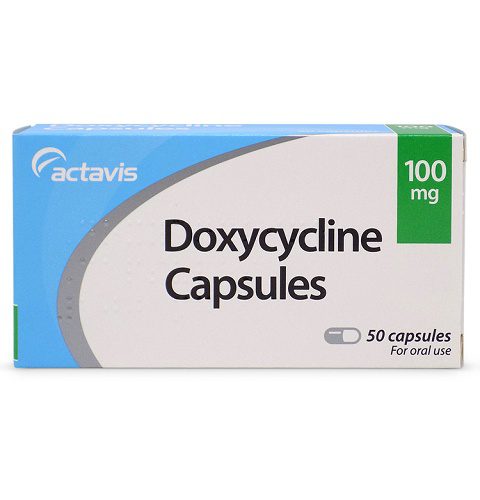
Why Doxycycline Gets Prescribed—And When Doctors Reach for Something Else
It’s late fall in New England. A patient sits across from their doctor, worried about a red, expanding rash after a weekend hiking trip. The doctor doesn’t hesitate: Doxycycline, 100 mg twice daily, for suspected early Lyme disease. No other antibiotic will do quite as well in this clinical script. But swap the rash for a cough, or the geography for a city ER, and suddenly Doxycycline is just one face in a crowded antibiotic lineup.
Doxycycline has earned a reputation in the United States for its versatility—handling everything from community-acquired pneumonia and severe acne to chlamydia and Rocky Mountain spotted fever. What sets it apart isn’t just its broad label: it’s the way Doxycycline offers a highly effective oral option for infections that sometimes land patients in the hospital.
Yet, for all its versatility, Doxycycline is not the automatic first-line choice for every infection. Many physicians reserve it for situations where other antibiotics either do not work (such as those caused by tick-borne pathogens) or are less convenient. When a patient brings a concern about Doxycycline to their healthcare provider, the conversation is rarely about the drug’s power—it’s about whether this particular infection matches what Doxycycline does best.
If you’re reading this because you were just handed a prescription for Doxycycline, ask—not just what infection you have, but why this antibiotic was chosen instead of another. The answer usually says more about your specific situation than about the drug itself.
What Doxycycline Actually Does in Your Body—And Why That Matters for Results
Doxycycline doesn’t kill bacteria outright. Instead, it disrupts the machinery bacteria use to make proteins, essentially freezing their growth and stopping the infection from spreading. This “bacteriostatic” action means your immune system still needs to do the final cleanup.
The difference becomes real if your immune system is weak (from chemotherapy, HIV, or other reasons)—in those cases, an antibiotic that directly kills bacteria (“bactericidal”) may be better. For most healthy people, Doxycycline’s approach is more than enough.
- Mechanism of Action
- Blocks bacterial protein synthesis by binding the 30S ribosomal subunit
- Onset of Effect
- Symptoms often start improving within 24-48 hours, but some infections require longer
- Duration
- Depends on the infection—ranges from a single dose (malaria prevention) to several weeks (acne, chronic infections)
What you actually feel: the fever may drop, the rash may fade, the cough may start to ease. But it’s not instant. Patients sometimes worry after a day or two that Doxycycline isn’t “working.” For most infections, doctors expect progress— not a miracle—within 48-72 hours.
The bottom line: Doxycycline works with your body, not for it. Expect steady improvement, not overnight transformation.
How Doxycycline Fits (and Disrupts) Daily Life: Dosing, Food, and Practical Realities
Morning rush: breakfast, coffee, prescription bottle in hand. For many patients, the practicalities of taking Doxycycline shape the day more than the infection itself. Timing, food, and side effects all play a part.
| Condition | Usual Adult Dose | Children (over 8 years) | Duration |
|---|---|---|---|
| Acne | 100 mg once or twice daily | 1-2 mg/kg once or twice daily | Weeks to months |
| Respiratory infection (e.g. pneumonia) | 100 mg twice daily | 2 mg/kg twice daily | 7-14 days |
| Lyme disease (early) | 100 mg twice daily | 4 mg/kg once daily | 10-21 days |
| Chlamydia | 100 mg twice daily | Not routinely used under 8 | 7 days |
| Malaria prophylaxis | 100 mg once daily | Not routinely used under 8 | Start 1-2 days before travel; continue 4 weeks after |
Doxycycline is usually taken once or twice a day, but the experience is rarely “set and forget.” Taking it with plenty of water and staying upright for at least 30 minutes is essential—otherwise, the pill can irritate the esophagus, sometimes painfully.
- Doxycycline may cause stomach upset. Taking it with a small meal can help, but avoid dairy (milk, cheese, yogurt) within two hours—calcium can block absorption.
- Sun sensitivity is real. Even brief sun exposure can lead to painful burns or rashes. Sunscreen and protective clothing aren’t optional during treatment.
- If you miss a dose, take it as soon as you remember unless it’s almost time for the next one. Never double up.
Practical realities: For patients with complex schedules, jobs that require outdoor work, or gastrointestinal sensitivities, these details matter. Discuss them with your doctor or pharmacist before starting.
Which Side Effects Matter Most with Doxycycline—And When to Act
Most side effects from Doxycycline are mild: stomach upset, nausea, or a mild headache. But a handful deserve closer attention—not because they are common, but because they matter when they happen.
Nausea or diarrhea will usually ease if you take Doxycycline with a small meal (but not dairy). A rash that spreads, breathing trouble, or severe headache—those are signals to stop and call your doctor.
| Side Effect | How Common? | When to Contact Your Doctor |
|---|---|---|
| Nausea, vomiting, stomach upset | Common (10–30%) | If persistent or severe, or if unable to keep medication down |
| Photosensitivity (sunburn, rash) | Common (2–10%) | If rash is blistering, widespread, or causing severe discomfort |
| Allergic reaction (hives, swelling, trouble breathing) | Rare (<1%) | Immediately—stop Doxycycline and seek urgent care |
| Esophageal irritation or ulcers | Uncommon (<5%) | If you experience severe pain or trouble swallowing |
| Permanent tooth discoloration | Rare in children, uncommon in adults | If you are pregnant or under 8 years, discuss alternatives |
| Headache, vision changes | Rare (<1%) | May signal increased intracranial pressure—contact your doctor promptly |
Most patients tolerate Doxycycline well, but taking it the wrong way—lying down immediately after the dose, mixing with dairy, or ignoring sun precautions—makes problems more likely. For any severe, persistent, or unexpected effect, the safest move is to contact your health care provider.
Doxycycline Versus the Field: How It Stacks Up Against Other Antibiotics
Patients often ask: Is Doxycycline better than amoxicillin, azithromycin, or another antibiotic? The answer depends not just on the bacteria, but on the patient, the infection, and what matters most—effectiveness, side effects, convenience, and cost.
| Attribute | Doxycycline | Amoxicillin | Azithromycin |
|---|---|---|---|
| Mechanism | Bacteriostatic (inhibits protein synthesis) | Bactericidal (inhibits cell wall synthesis) | Bacteriostatic (inhibits protein synthesis) |
| Key approved uses | Lyme disease, acne, respiratory infections, chlamydia, tick-borne illnesses | Strep throat, sinusitis, ear infections, respiratory infections | Respiratory infections, chlamydia, pertussis, some atypical infections |
| Onset of symptom relief | 1–3 days | 1–2 days | 1–2 days |
| Common side effects | GI upset, sun sensitivity | GI upset, allergic rash | GI upset, rare QT prolongation |
| Major drawbacks | Photosensitivity, not for children under 8 or pregnant women | Allergic reactions, resistance | Drug interactions, risk for heart rhythm changes |
| Prescription in U.S.? | Yes—prescription only | Yes—prescription only | Yes—prescription only |
| Cost (typical) | Generic available; modest copay or out-of-pocket | Generic widely available; often low cost | Generic; slightly higher cost, but short course |
What does this mean for real patients? Doxycycline often “wins” where tick-borne illnesses, certain respiratory infections, or acne are the main issue. Amoxicillin is better for classic strep throat or when treating children or pregnant women. Azithromycin may be favored for its once-daily dosing and very short course, but can interact with other medicines and has a different risk profile. Cost and insurance coverage tend to be similar across generics.
Doctor’s Perspective: “In practice, we choose Doxycycline when we want broad coverage and a reliable oral option for tricky pathogens—especially in cases where sun exposure or stomach sensitivity can be managed. But for strep, sinus infections, or when treating children under 8, amoxicillin still has the edge. The right choice flows from the bug, the patient, and the context—not just the guideline.”
If you’re not sure why your doctor chose Doxycycline, ask what alternatives were considered and what tipped the scale. This is where clinical judgment matters most.
Access, Insurance, and Buying Doxycycline in the United States: What Actually Happens
You’ve got the prescription. Now what? In the United States, Doxycycline is available by prescription only. You won’t find it on the shelf or in a supplement aisle. Any legitimate pharmacy—whether chain, independent, or mail-order—requires a valid prescription from a licensed healthcare provider.
- Most insurance plans (including Medicare Part D) cover generic Doxycycline with a small copay. Out-of-pocket costs for a standard course usually range from $10–$30, but prices can spike if a specific brand or liquid formulation is needed.
- Pharmacists may offer generic substitutions unless your doctor specifies otherwise. Clinical effect is the same—brand does not matter for Doxycycline efficacy.
- Online pharmacies are legal in the U.S. if they are certified and require a prescription. The U.S. FDA maintains a list of safe, accredited options here.
- Discount cards and manufacturer coupons can sometimes bring costs down, especially for uninsured patients. Ask your pharmacist what is available before you pay full price.
Reimbursement, prior authorization, and “step therapy” restrictions are rare for Doxycycline as it is considered a first- or second-line treatment for many common infections. However, particular situations (like acne or long-term use) may require additional documentation.
When Not to Take Doxycycline: Absolute and Relative Contraindications
- You are pregnant or planning to become pregnant—Doxycycline can affect fetal bone and tooth development.
- You are breastfeeding—Doxycycline is excreted in breast milk and may harm a nursing infant.
- Your child is younger than 8 years old—risk of permanent tooth discoloration and effects on bone growth.
- You have had a severe allergic reaction to tetracyclines.
- You have a history of esophageal ulcers or reflux—swallowing Doxycycline incorrectly increases risk.
- You have significant liver disease—dose adjustment or alternative may be needed.
- You are taking medications that interact (e.g., isotretinoin, anticonvulsants, blood thinners, antacids, or iron supplements).
- You are immunocompromised—other antibiotic options may be better for some serious infections.
Talk openly with your doctor about any of these situations. The risks aren’t theoretical—they are based on real complications seen in practice.
Frequently Asked Questions About Doxycycline in Real-World Use
- Can I drink milk or eat dairy products while I take Doxycycline?
- Dairy products like milk, cheese, or yogurt can bind to Doxycycline and reduce absorption. Avoid them within two hours of your dose for best results. This doesn’t mean you can’t have any dairy during your course—just not around dosing time.
- How quickly will I start to feel better after starting Doxycycline?
- Most patients notice symptom improvement within 2-3 days, but some infections (like acne) take longer. If you feel worse, or if there is no change after 72 hours for an acute infection, contact your healthcare provider.
- Will sun exposure really cause problems while I’m on Doxycycline?
- Yes. Doxycycline can increase your skin’s sensitivity to sunlight, leading to severe burns or rashes—even with brief exposure. Wear sunscreen and protective clothing, and avoid tanning beds.
- What should I do if I miss a dose?
- Take it as soon as you remember unless it’s almost time for the next one. Never double up to “catch up.” Missing a single dose rarely affects treatment, but consistent timing helps maximize effectiveness.
- Are there any medicines or supplements I should avoid while taking Doxycycline?
- Yes—antacids, iron, calcium, magnesium, and certain cholesterol drugs (like cholestyramine) can interfere with absorption. Take these at least two hours apart from your Doxycycline dose.
- Can I drink alcohol while on Doxycycline?
- Moderate alcohol is not absolutely contraindicated, but heavy drinking can increase side effects and make some infections harder to treat. Stay hydrated and avoid binge drinking during your course.
- Why can’t children under 8 or pregnant women take Doxycycline?
- Doxycycline can permanently stain developing teeth and may affect bone growth. Safer alternatives are recommended for these groups. Tell your doctor immediately if you become pregnant during treatment.
- Is it safe to use Doxycycline as a preventive for malaria or Lyme disease?
- When prescribed for prevention, Doxycycline is very effective and safe for most adults. It is not recommended for young children or pregnant women. Adherence to the correct schedule (before, during, and after travel) is critical for malaria prevention.
- What if I need Doxycycline for months—such as for acne treatment?
- Long-term use is sometimes necessary and generally safe, but periodic monitoring for side effects is advised. Regular check-ins with your doctor help catch rare issues like esophageal irritation or changes in gut bacteria.
References
- U.S. Food and Drug Administration – Drugs
- CDC: Treatment of Lyme Disease
- PubMed (Medical Literature Database)
- Mayo Clinic: Doxycycline (Oral Route)
- Infectious Diseases Society of America. Practice Guidelines for the Diagnosis and Management of Skin and Soft Tissue Infections, 2014.
- Prescribing Information: Doxycycline Hyclate, Various Manufacturers.
- Infectious Diseases Society of America
- World Health Organization – Essential Medicines
