
Buy Ventolin Inhaler in Online Pharmacy in United States
October 20, 2026Buy Nolvadex Without Prescription in the United States Online
October 20, 2026- Home/
- Buy Prednisolone at Low Price in the United States Online
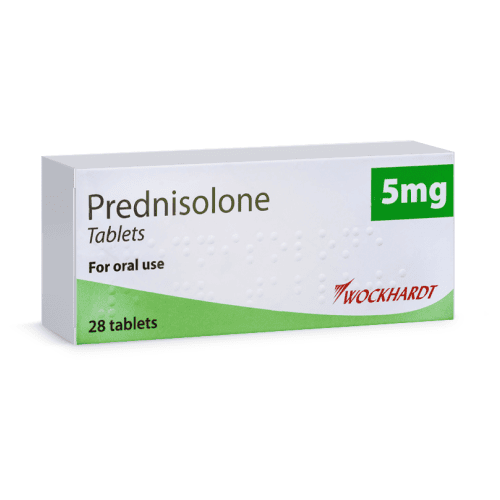
The Prednisolone Decision Moment: When Does This Drug Truly Matter?
The phone rings at 2:17 a.m.—not an unusual hour for a parent whose child’s asthma just went from annoying to frightening. Or for a patient with lupus whose wrists have ballooned overnight, pain cutting through sleep. In those moments, Prednisolone isn’t just a name on a prescription—it’s the dividing line between crisis and control.
That line isn’t always clear. Prednisolone is not a daily supplement or a “why not” therapy. In U.S. practice, its use signals a tipping point: your inflammation has outpaced the tools that could keep it quietly in check. If your doctor is recommending Prednisolone, it means that over-the-counter options, lifestyle tweaks, or even milder prescription drugs are no longer enough.
“Patients almost always underestimate both the power and the risks of Prednisolone. It’s the right tool—sometimes the only tool—when inflammation is threatening organs or quality of life. But it’s never the first thing we reach for without weighing every other option,” notes Dr. A.M., a board-certified rheumatologist with more than a decade of practice in the United States.
The upshot: Prednisolone is not just another anti-inflammatory. It’s the medication that enters when all else has failed, or when the stakes are suddenly much higher—shortness of breath, swollen joints, vision changes, or flares that threaten tissue and function. If you’re reading about Prednisolone, you’re probably facing a decision that will shape the next phase of your treatment.
Living with Inflammation: Why Physicians Reach for Prednisolone—And When They Don’t
Pain and swelling. Heat that radiates from an angry joint. The skin rash that won’t fade, or the tightness in your chest that creeps up when you try to sleep. Inflammation is the thread that connects diagnoses as different as asthma, rheumatoid arthritis, ulcerative colitis, and allergic reactions—each with its own tempo and risk.
Physicians in the United States do not prescribe Prednisolone lightly, and patients often wonder why this medication is chosen over others. The answer lies as much in the nature of your inflammation as in your body’s response to previous treatments.
- Rapid escalation: When your symptoms are severe or advancing quickly—think vision-threatening eye inflammation or a sudden lupus flare—Prednisolone’s speed is unmatched. No NSAID, no antihistamine, no biologic acts as broadly or as fast.
- Failed alternatives: If you’ve tried other anti-inflammatories—ibuprofen, methotrexate, or even more targeted drugs—and your symptoms persist or worsen, Prednisolone moves up the list.
- Organ protection: Some types of inflammation attack vital organs (kidneys, lungs, eyes). In these situations, physicians are not just treating symptoms—they’re preserving function and preventing long-term damage.
But Prednisolone is not for everyone, nor for every flare. Mild seasonal allergies, manageable joint pain, or inflammation that responds to topical treatments rarely merit systemic Prednisolone. The drug’s power is a double-edged sword: as effective as it can be, the risks are too great for casual or unnecessary use.
The decision to start Prednisolone often marks a turning point in your treatment journey, not just another step along the way.
How Prednisolone Tames Inflammation—And Why That’s Not the Whole Story
Prednisolone works by dialing down the immune system’s response to perceived threats. Within hours, it blocks the signals that summon immune cells to the site of inflammation, quieting the pain, swelling, and redness that can make daily life impossible.
- Glucocorticoid Mechanism
- Prednisolone mimics the body’s own cortisol but at much higher, targeted doses—suppressing inflammatory pathways from the inside out.
- Speed
- Relief can begin within 24 hours, especially for acute flares of asthma, allergies, or autoimmune disease.
- Systemic Impact
- Unlike topical or inhaled steroids, oral Prednisolone affects nearly every organ—good for widespread inflammation, riskier for side effects.
The science, though, only tells half the story. In the real world, patients experience Prednisolone as a double transformation: not just a fading of symptoms, but sometimes—especially at high doses—a change in energy, mood, appetite, and sleep.
The upshot: Prednisolone is both the most versatile anti-inflammatory in the U.S. arsenal and the one whose effects ripple farthest from the site of inflammation. Understanding what it does—both good and bad—prepares you to use it safely and wisely.
Prednisolone in Context: How It Compares to Other USA Prescription Options
| Attribute | Prednisolone | Prednisone | Methylprednisolone | Nonsteroidal Anti-Inflammatories (NSAIDs) |
|---|---|---|---|---|
| Approved Uses | Broad: asthma, autoimmune, allergic, skin, GI, etc. | Nearly identical; must be converted in liver to Prednisolone | Similar; often chosen for IV “pulses” or if oral absorption is a concern | Pain, mild-moderate inflammation (not for severe flares) |
| Onset of Action | 12-24 hours (oral) | 12-36 hours (oral; slightly delayed in liver dysfunction) | 0.5-4 hours (oral/IV) | 1-2 hours |
| Effectiveness in Severe Inflammation | High | High, but must be converted to Prednisolone to work | High; IV use can be lifesaving | Low in severe disease |
| Common Side Effects | Elevated blood sugar, mood changes, weight gain, infection risk | Similar (side effect profile essentially the same) | Similar (may cause more stomach upset) | GI upset, ulcers, kidney risk, no immune suppression |
| Monitoring | Blood pressure, blood sugar, infection surveillance | As with Prednisolone | As with Prednisolone | Kidney function, GI bleeding risk in longer courses |
| Prescription Status (U.S.) | Prescription Only | Prescription Only | Prescription Only | OTC (e.g., ibuprofen); others by prescription |
| Cost / Insurance | Low (generic widely available; usually covered) | Low (same) | Low (oral); higher for IV/injection | Very low for OTC; higher for prescription |
Interpreting the table: Prednisolone stands out in patients with liver disease (where it’s preferred over Prednisone, which requires conversion in the liver). Methylprednisolone is almost interchangeable for most uses but is chosen in some hospital settings for rapid, high-dose therapy. NSAIDs fill a different role: useful for pain and mild inflammation, but ineffective alone for severe flares—and they do not suppress the immune system. If you are switching from Prednisone to Prednisolone, the change is often seamless, but ask your doctor if you have known liver issues or are on other medications affecting metabolism.
Taking Prednisolone: Why Getting the Dose Right Is Everything
With Prednisolone, the dose is not just a number—it’s the difference between rescue and harm. The same medication that quells a life-threatening asthma attack can cause bone thinning, blood sugar spikes, and even psychological changes if used at the wrong dose or for too long. U.S. doctors individualize every Prednisolone prescription, adjusting for your diagnosis, age, body weight, and how your body has responded to steroids before.
| Condition | Typical Starting Dose (adults) | Taper Required? | Duration |
|---|---|---|---|
| Asthma exacerbation | 40-60 mg/day (single or divided doses) | No (if ≤7 days) | 5-7 days |
| Acute rheumatoid arthritis flare | 10-20 mg/day | Yes (if >7 days) | 2-4 weeks, then taper |
| Severe allergic reaction | 40-60 mg/day | Variable | Short course |
| Chronic autoimmune disease (e.g., lupus, ulcerative colitis) | 5-60 mg/day (often start high, then taper to lowest effective dose) | Yes | Weeks to months (individualized) |
| Pediatric dosing | 1-2 mg/kg/day (max 60 mg/day) | Yes | Varies by condition |
Takeaway: The “right” dose depends on your diagnosis and clinical urgency. Most U.S. prescriptions are short courses—days to weeks—with a clear plan to taper if the course is extended. Longer use always requires a taper to prevent adrenal suppression. If you miss a dose, don’t double up; call your doctor if you’re unsure how to proceed.
- Always take with food: Reduces risk of stomach upset.
- Morning dosing preferred: Mimics the body’s natural cortisol cycle and reduces insomnia.
- Never stop suddenly after extended courses: Risk of adrenal crisis—a medical emergency.
Which Side Effects Matter Most with Prednisolone—And When to Act
Side effects with Prednisolone are as much about timing as they are about dose. A five-day burst for asthma is a different story than three months for lupus. Still, even a short course can bring surprises—restlessness, sleep disturbance, or a taste of mood swings. Longer courses raise the stakes: blood sugar spikes, infection risk, bone thinning, and even eye problems.
- Short-term (days to weeks): Appetite increase, mood changes, insomnia, fluid retention, blood pressure rise.
- Medium-term (weeks to months): Weight gain, facial rounding (“moon face”), acne, higher blood sugar, increased susceptibility to infection.
- Long-term (months to years): Osteoporosis, muscle weakness, cataracts, glaucoma, slow wound healing, adrenal suppression.
Some side effects are dose-dependent, others are idiosyncratic. A single high dose may keep you awake or feeling “wired,” but won’t thin your bones. Chronic use, even at low doses, accumulates risk over time.
| Side Effect | How Common? | When to Contact Your Doctor |
|---|---|---|
| Insomnia, restlessness | Common (20-50%) | If severe or affecting daily life |
| Increased appetite, weight gain | Common (up to 70% with longer use) | If rapid or causing distress |
| Blood sugar elevation | Common, especially in diabetics | If symptoms of high blood sugar (thirst, urination) appear |
| High blood pressure | Less common (5-15%) | If home readings rise or you feel unwell |
| Infection (respiratory, skin, urinary) | Moderate (varies with dose) | Any sign of infection—fever, cough, burning with urination |
| Mood changes, anxiety, irritability | Common, especially at higher doses | If severe, persistent, or concerning to family |
| Vision changes | Rare (but serious) | Immediately—risk of glaucoma or cataracts |
| Osteoporosis, bone pain | Uncommon with short-term, rises with long-term | If bone pain or fracture occurs |
Key point: The side effects that send you to the doctor are not always the ones that feel most annoying. If you develop fever, sudden vision changes, confusion, severe weakness, or symptoms of high blood sugar, call your physician immediately—these can signal serious complications that require urgent intervention.
Can You Take Prednisolone? Absolute and Relative Contraindications
- Active systemic infection (bacterial, viral, or fungal) unless you are already being treated for it. Prednisolone suppresses your immune system, which can worsen infections rapidly.
- Severe allergy to Prednisolone or other corticosteroids. True allergy is rare but must be reported.
- Receiving live vaccines while on high-dose Prednisolone. Your body may not mount a safe or effective response.
- Diabetes: Steroids can raise blood sugar significantly. Your regimen may need to change.
- High blood pressure or heart failure: Fluid retention and blood pressure spikes are possible.
- Peptic ulcer disease: Risk of gastrointestinal bleeding increases.
- Osteoporosis or fracture history: Prednisolone thins bone over time.
- Mental health disorders: Steroids can cause or worsen mood swings, psychosis, or insomnia.
- Glaucoma or cataracts: Eye conditions can worsen with steroids.
- Liver dysfunction: Rarely, dosage or drug selection may need to change.
Clinical context: If your doctor has prescribed Prednisolone despite one of these conditions, it usually means the benefit outweighs the risk—but close monitoring and sometimes specialist co-management are required.
The decision to prescribe Prednisolone in these scenarios is not a checkbox—it’s a clinical judgment. If you have any of these risk factors, ask your doctor how your care will be monitored, what symptoms to report, and whether there is an alternative that could be safer.
Access in the USA: How to Get Prednisolone, What to Expect at the Pharmacy, and What It Might Cost
In the United States, Prednisolone is available by prescription only. Walk-in requests at the pharmacy will be turned away unless you have a valid script from a licensed healthcare provider. This rule is strictly enforced, reflecting the medication’s risk profile and potential for harm if used inappropriately.
- Where to get it: Any retail pharmacy, most hospital pharmacies, and some mail-order services dispense Prednisolone.
- Formulations: Tablets are the most common. Prednisolone syrup is also available and often used for children or those who cannot swallow pills.
- Insurance coverage: Virtually all U.S. private and public insurers cover generic Prednisolone, sometimes subject to a small co-pay.
- Cash price: Generic formulations are among the least expensive prescription drugs, often costing under $15 for a typical course (GoodRx can provide up-to-date pricing).
- Refills: Prednisolone is rarely prescribed with automatic refills. Each new course usually requires a fresh prescription and doctor review.
If you are uninsured, many pharmacy chains offer discount programs. For pediatric formulations or special dosing, call ahead—some pharmacies may need to order the exact strength or form you need.
FAQ: Real-World Answers About Prednisolone and Inflammation in the USA
- Why is my doctor choosing Prednisolone instead of Prednisone?
- In the U.S., Prednisolone is preferred if you have liver disease or trouble converting medications in your body. For most patients, the two drugs act similarly, but Prednisolone is the active form and may be better absorbed in some situations.
- How long can I safely take Prednisolone?
- Short courses (less than two weeks) are standard for acute flares. Longer use increases the risk of side effects. If you need Prednisolone for more than a month, your doctor will create a plan to minimize risks and monitor you closely.
- Will Prednisolone cure my underlying condition?
- Prednisolone treats the symptoms of inflammation, not the root cause. For autoimmune diseases, it controls flares but does not “cure” the disease. Your doctor will usually combine it with other medications aimed at long-term control.
- What should I do if I miss a dose?
- If you’re on a short course, take the missed dose as soon as you remember unless it’s almost time for your next dose—then skip it. For chronic therapy, follow your doctor’s instructions or call the office. Never double up without medical advice.
- Can I get Prednisolone without insurance?
- Yes. Many pharmacies offer low-cost generics, and some have discount programs. Online price comparison tools can help you find the best cash price. You still need a prescription regardless of insurance status.
- What foods or drugs interact with Prednisolone?
- Certain medications—including some antifungals, blood thinners, and diabetes drugs—can interact with Prednisolone. It’s best to avoid alcohol and high-sodium foods, as these can worsen side effects like high blood pressure or fluid retention. Always give your healthcare provider a full list of everything you take.
- Do I need extra monitoring on Prednisolone?
- Yes—especially if you take it for more than a few weeks or have other health conditions. Blood pressure, blood sugar, bone health, and signs of infection are commonly tracked during therapy.
- Is Prednisolone safe in pregnancy or breastfeeding?
- The answer depends on dose, timing, and indication. Discuss with your doctor—sometimes the risks of uncontrolled inflammation are higher than those of the medication, but close specialized monitoring is required.
Sources / References
- U.S. Food and Drug Administration (FDA)
- American College of Rheumatology Guidelines for the Management of Rheumatoid Arthritis
- Mayo Clinic: Prednisolone (Oral Route) – Patient Information
- UpToDate: Glucocorticoid Use in Inflammatory Disease
- GoodRx: Prednisolone Pricing and Pharmacy Availability
- Prednisolone Prescribing Information, Various Manufacturers (U.S.)
- Centers for Disease Control and Prevention (CDC)
- Asthma and Allergy Foundation of America
