
Buy Viagra without Prescription in the United States Online
October 20, 2026- Home/
- Buy Cialis at a Low Price in the United States Online
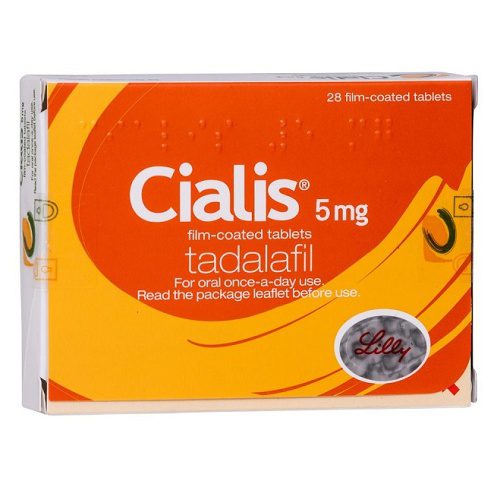
Cialis (Tadalafil) in the United States: The Most Comprehensive Guide for Safe and Effective Use
Can Cialis Be Obtained Without a Prescription in the United States?
No, Cialis (tadalafil) is a prescription-only medication in the United States. It cannot be legally obtained without a valid prescription from a licensed healthcare provider. Over-the-counter or non-prescription sales are not permitted under current U.S. regulations.
Key Takeaways: What Every Patient Needs to Know About Cialis
- Cialis is most suitable for adult men with clinically diagnosed erectile dysfunction (ED), and sometimes for benign prostatic hyperplasia (BPH).
- It typically works within 30–60 minutes, but sexual stimulation is required for effectiveness.
- A valid prescription from a U.S. healthcare provider is required to purchase Cialis.
- Never use Cialis together with nitrate medications, as this can cause a dangerous drop in blood pressure.
- The most important benefit of Cialis is its long duration of action—up to 36 hours (“the weekend pill”).
- Consult your doctor immediately if you experience chest pain, vision changes, or an erection lasting more than 4 hours (priapism).
How Does Cialis Work? The Science Behind Tadalafil
Cialis contains tadalafil, a phosphodiesterase type 5 (PDE5) inhibitor. PDE5 is an enzyme that breaks down cyclic guanosine monophosphate (cGMP) in the smooth muscle of blood vessels, particularly those supplying the penis. During sexual stimulation, nitric oxide is released, which increases cGMP and allows blood vessels in the corpus cavernosum to relax, resulting in increased blood flow and erection.
By blocking PDE5, Cialis increases cGMP levels, amplifying the natural erectile response to sexual stimulation. It does not cause an erection in the absence of sexual arousal.
Simplified metaphor: Think of cGMP as a “relaxation signal” for blood vessels. PDE5 acts like a “stop signal,” shutting this relaxation off. Cialis blocks the “stop signal,” allowing the “relaxation” to continue—so blood can flow in, but only when the brain and body are already sending the right signals.
Note: Tadalafil also affects PDE5 in other areas, such as the lungs and the prostate, explaining its use in pulmonary hypertension and benign prostatic hyperplasia (BPH).
Many Patients Expect “Instant Results”—But the Reality Is More Complex
In my clinical experience, patients frequently expect Cialis to work like a light switch—instant and automatic. They are often surprised to learn that the medication only enhances the natural response to sexual stimulation. Some patients assume that taking a higher dose will guarantee success, but this is not the case and can actually increase side effects. Another common oversight is underestimating the psychological and relationship factors that influence treatment outcomes. I advise patients to discuss any ongoing difficulties openly, as psychological support is just as important as medical therapy for long-term success.
How Should Cialis Be Taken? Dosing, Timing, and Effect Duration
- On-demand dosing: The typical starting dose for ED is 10 mg, taken at least 30 minutes before anticipated sexual activity. Depending on response and tolerability, the dose may be increased to 20 mg or decreased to 5 mg.
- Once-daily dosing: For men who prefer more spontaneity, 2.5 mg or 5 mg can be taken once daily at the same time, regardless of sexual activity.
- Maximum dose: Never exceed 20 mg in a 24-hour period for on-demand use.
- Duration of action: The effect can last up to 36 hours, though most men experience a 4–6 hour “window” of optimal response.
- Tablet splitting: Cialis tablets are film-coated and not scored; splitting is not recommended and can result in inaccurate dosing.
- Older adults or those with mild kidney or liver impairment: Start with a lower dose (5 mg) and increase only if tolerated. In moderate to severe impairment, tadalafil may not be appropriate—consult your doctor.
Do not take more than one dose per day.
Cialis, Food, Alcohol, and Lifestyle: What You Must Know
- Fatty foods: Unlike some other ED medications, high-fat meals do not significantly delay or reduce Cialis absorption. You can take it with or without food.
- Alcohol: Moderate alcohol consumption (one or two standard drinks) is generally safe, but excessive intake increases the risk of hypotension, dizziness, and fainting. Avoid drinking more than five units of alcohol when using Cialis.
- Grapefruit and grapefruit juice: Grapefruit can increase tadalafil levels in the blood, raising the risk of side effects due to CYP3A4 inhibition. It is best avoided during therapy.
- Other lifestyle factors: Smoking, obesity, and lack of physical activity reduce the effectiveness of ED therapy and should be addressed alongside medication.
Who Should NOT Take Cialis? Contraindications and Cautions
- Absolute contraindications (never use):
-
- Concurrent use with nitrates (e.g., nitroglycerin, isosorbide dinitrate, used for angina) — can cause life-threatening hypotension.
- Recent myocardial infarction (heart attack) or stroke (within the last 90 days).
- Severe hypotension (resting blood pressure < 90/50 mmHg) or uncontrolled hypertension (>170/100 mmHg).
- Severe liver or kidney impairment (consult your specialist for up-to-date criteria).
- Severe vision loss (NAION) or inherited retinal disorders.
- Known hypersensitivity to tadalafil or any excipients in the formulation.
- Relative contraindications (doctor must assess risks):
-
- Unstable angina or heart failure classified as NYHA III–IV.
- Multiple antihypertensive medications.
- Mild to moderate kidney or liver dysfunction.
- Deformity of the penis or risk factors for priapism (sickle cell anemia, multiple myeloma, leukemia).
After a heart attack or stroke: Use of Cialis may only be considered after a thorough cardiac assessment and clearance from your cardiologist.
What Side Effects Are Most Common With Cialis?
Side effects are categorized by how frequently they occur, according to World Health Organization (WHO) guidelines:
- Very common (>1/10): Headache, indigestion.
- Common (1/100 to <1/10): Back pain, muscle aches, nasal congestion, facial flushing, limb pain.
- Uncommon (1/1,000 to <1/100): Dizziness, blurred vision, palpitations, rash.
- Rare (<1/1,000): Prolonged erection (priapism), sudden hearing decrease or loss, sudden vision loss (NAION), hypotension, allergic reactions.
Possible mechanisms: Facial flushing and headache are related to the widening of blood vessels. Back and muscle pain may be due to smooth muscle relaxation.
What to do: If you experience severe side effects, chest pain, vision or hearing loss, or an erection lasting more than 4 hours, seek immediate medical attention.
Frequent Patient Errors When Using Cialis: How to Avoid Them
- Taking Cialis without sexual stimulation: Some believe the medication acts automatically, but it requires sexual arousal to be effective. How to avoid: Ensure an intimate setting and sexual stimulation.
- Redosing within 24 hours: Impatience leads some to take another tablet if the first “didn’t work.” This increases risk of side effects without improving results. How to avoid: Only one dose per 24 hours.
- Ignoring contraindications: Patients sometimes omit telling their doctor about nitrate use or heart problems. How to avoid: Always disclose all medications and medical history.
- Combining with large amounts of alcohol: Alcohol can worsen side effects and reduce effectiveness. How to avoid: Limit alcohol intake when planning to use Cialis.
- Buying from unverified sources: Some seek out “bargains” online, risking counterfeit medicines. How to avoid: Use only licensed U.S. pharmacies.
- Stopping therapy after one unsuccessful attempt: Performance anxiety or unrealistic expectations can sabotage early results. How to avoid: Communicate with your doctor before changing or stopping your regimen.
How Does Cialis Compare to Viagra and Levitra?
| Criteria | Cialis (Tadalafil) | Viagra (Sildenafil) | Levitra (Vardenafil) |
|---|---|---|---|
| Onset of Action | 30–60 min | 30–60 min | 25–60 min |
| Duration of Action | Up to 36 hours | 4–6 hours | 4–6 hours |
| Effect of Food | Minimal | Delayed by high-fat meals | Delayed by high-fat meals |
| Cost per Tablet (2026, U.S. pharmacy) | $12–$70 (brand/generic, 10–20 mg) | $8–$60 (brand/generic, 50–100 mg) | $10–$45 (brand/generic, 10–20 mg) |
| Most Common Side Effects | Headache, indigestion, back pain | Headache, flushing, nasal congestion | Headache, flushing, upset stomach |
| Prescription Required? | Yes | Yes | Yes |
Bottom line: Cialis stands out for its long duration and flexibility, but it is typically more expensive. All require a prescription in the U.S. Some patients tolerate one better than another; discuss options with your doctor.
Technical Reference Table: Cialis at a Glance
| Active Ingredient | Tadalafil |
| Available Doses | 2.5 mg, 5 mg, 10 mg, 20 mg |
| Formulation | Film-coated tablets |
| Standard Starting Dose (ED) | 10 mg on demand, or 2.5–5 mg daily |
| Maximum Dose | 20 mg/day |
| Onset of Action | 30–60 minutes |
| Duration of Effect | Up to 36 hours |
| Half-life (T1/2) | ~17.5 hours |
| Metabolism | Liver (CYP3A4) |
| Elimination | Mostly feces, some urine |
| Storage | Room temperature, away from moisture |
| Original Manufacturer | Eli Lilly and Company |
| Prescription Required? | Yes |
Compatibility Check: Can Cialis Be Used With Other Products?
| Product Type | Compatibility | Consequences |
|---|---|---|
| Nitrates (e.g., nitroglycerin) | NO | Dangerous drop in blood pressure |
| Alpha-blockers (for prostate/BP) | Caution | Risk of low blood pressure |
| Antihypertensives (e.g., ACE inhibitors) | Usually Yes | Monitor for low blood pressure |
| Alcohol (moderate) | Yes | Possible dizziness, hypotension |
| Grapefruit Juice | Best avoided | Increased side effect risk |
| Aspirin/NSAIDs | Yes | No significant interactions |
| Other ED medications | NO | Serious risk of side effects |
Step-by-Step: How to Obtain Cialis Safely in the United States
- Schedule a consultation with a licensed U.S. healthcare provider, either in-person or via a legitimate telemedicine platform.
- Undergo a medical evaluation to confirm the diagnosis of erectile dysfunction or benign prostatic hyperplasia. The provider will assess your medical history and medication use.
- Discuss therapy options and select Cialis if appropriate. Your doctor will determine dosing and advise on use.
- Receive a prescription, which may be electronic or paper, depending on the provider and pharmacy.
- Fill the prescription at a state-licensed retail or mail-order pharmacy. Many U.S. pharmacies offer same-day or next-day delivery. Never use non-accredited online sources.
- Follow up as directed, to monitor effectiveness and side effects. Adjustments may be necessary.
How to Identify Legitimate Online Pharmacies in the U.S.
- Look for NABP accreditation—the National Association of Boards of Pharmacy verifies U.S. online pharmacies through the .pharmacy program.
- All legitimate pharmacies will require a valid prescription and are registered with the state Board of Pharmacy (NABP).
- Be wary of sites offering Cialis without a prescription, rock-bottom prices, or shipping from outside the U.S.—these are nearly always illegal and unsafe.
- Legitimate pharmacies display a U.S. address and phone number, secure payment processing, and should be able to answer questions about licensure.
- Buying from unlicensed sellers risks receiving counterfeit, contaminated, or sub-potent products, and may result in customs seizure or legal penalties.
How to Recognize Counterfeit or Substandard Cialis
- Packaging: Original Cialis comes in a sealed, tamper-evident blister pack with clear labeling, batch number, and expiration date. The manufacturer is Eli Lilly (for brand), or a well-known generic company for generics.
- Pill appearance: Brand Cialis tablets are almond-shaped, yellow, and embossed with “C 20” (for 20 mg). Generics may differ in color or markings but should be uniform and professionally manufactured.
- Price: A price that is drastically lower than typical U.S. pharmacy costs is a red flag for counterfeit products.
- Security features: Some U.S. packaging includes QR codes or holograms—check on the manufacturer’s website for up-to-date anti-counterfeiting measures.
- Generics: Now available in the U.S. after patent expiration, generics are FDA-approved and contain the same active ingredient, but may have different inactive ingredients (excipients). These can rarely cause allergies or intolerances.
What are generics? Generics are bioequivalent versions produced by different manufacturers after the original patent expires. They must meet FDA standards of quality and effectiveness, providing a lower-cost alternative to brand-name Cialis.
Psychological Support: Addressing ED in Real Life
Erectile dysfunction is a common and manageable condition affecting millions of men in the U.S. Many cases involve psychological components—stress, anxiety, and relationship factors are all important. If you are struggling, consider speaking openly with your partner and consulting a healthcare or mental health professional. You’re not alone, and help is available.
What if You Take Too Much Cialis? Overdose Action Steps
- Stop using Cialis immediately.
- Call 911 or your local emergency services if you feel unwell or have taken significantly more than prescribed.
- Inform emergency personnel about the medication and the exact dose taken.
- Do not attempt to induce vomiting or treat at home. Medical supervision is required for overdose.
- Bring the medication packaging with you to help healthcare providers determine the best treatment.
Symptoms of overdose: Severe dizziness, fainting, prolonged erection, chest pain, or vision changes. Immediate care is critical.
Special Patient Groups: Who Needs Extra Precaution?
- Chronic kidney or liver disease: Clearance of tadalafil is reduced; dose adjustment or avoidance may be necessary.
- Cardiovascular disease: Risk of dangerous blood pressure drops—only use after cardiology evaluation.
- Men taking multiple blood pressure medications: Increased risk of hypotension, especially when starting or titrating doses.
- Men over 65 years of age: May require lower doses and closer monitoring for side effects.
- Men with retinitis pigmentosa or a history of sudden vision loss: Higher risk of non-arteritic anterior ischemic optic neuropathy (NAION)—avoid use.
- Fertility and family planning: No evidence Cialis adversely affects male fertility, but always discuss with your doctor if concerned.
- Driving or operating machinery: Dizziness is uncommon, but if it occurs, do not drive or operate heavy equipment.
Original vs. Generic Cialis: What Are the Real Differences?
- Brand-name (Cialis by Eli Lilly): Usually higher priced, with extensive clinical trial data and brand recognition.
- Generic tadalafil: Identical active ingredient, FDA-approved, manufactured by companies like Teva, Mylan, etc. May differ in color, shape, or inactive ingredients (excipients).
- Excipients: In rare cases, patients may react to dyes or fillers in generics. If you have allergies, ask your pharmacist for details or a different generic.
- Cost-saving: Generics are typically 50–80% less expensive than branded Cialis in U.S. pharmacies.
- Effectiveness: Both are considered bioequivalent; most patients have no noticeable difference in clinical effect.
Quality Check: Verifying Authentic Cialis Packaging
- Tablets: Almond-shaped, yellow, with clear engraving (“C” and dose for brands).
- Packaging: Tamper-evident blisters, labeled with batch number and expiration, U.S. pharmacy labeling.
- Security: Many U.S. pharmacies include a QR code or hologram for online verification—if in doubt, ask your pharmacist.
- Documentation: Each pack comes with an FDA-approved package insert. Absence of official documentation is a major red flag.
Questions Patients Often Ask doctor
- How do I know if Cialis is working for me, and what is a reasonable expectation?
- Most men notice improved erectile response within the first few uses, but the effect is only present with sexual stimulation. If you do not see improvement after four separate attempts, let your doctor know—dose adjustment or further evaluation may be needed.
- I sometimes get mild back pain after taking Cialis. Is this normal?
- Yes, back pain is a recognized side effect (in about 3–6% of men) and usually resolves within 48 hours. If it is severe or persistent, inform your doctor; dose adjustment or switching medications may be appropriate.
- Is it safe to use Cialis every day?
- For many men, daily low-dose Cialis (2.5–5 mg) is safe and effective, especially if sexual activity is frequent. However, your doctor will assess your health to determine if daily use is best for you.
- Can I use Cialis if I have mild high blood pressure?
- Often yes, but your doctor should review all your medications and ensure your blood pressure is stable before starting Cialis.
- What should I do if Cialis doesn’t work the first time?
- Don’t be discouraged; performance anxiety and incorrect timing are common. Try again under relaxed circumstances, and follow your doctor’s instructions. If ineffective after several attempts, schedule a follow-up for further assessment.
- How often should I follow up with my doctor after starting Cialis?
- Typically after your first month, and then as needed for ongoing assessment of effectiveness, side effects, and dose adjustment.
- Is there any long-term risk with using Cialis regularly?
- As of current evidence, long-term use in healthy men is not associated with significant risks if prescribed and monitored appropriately. However, regular follow-up is important to detect any evolving side effects or contraindications.
Clinical Takeaway from doctor
In my clinical practice, the men who benefit most from Cialis are those with clear, persistent erectile dysfunction who are looking for flexibility and less performance pressure. It’s particularly helpful for those with variable schedules or who desire more spontaneity, as its long duration supports this lifestyle. Men with mild to moderate kidney or liver impairment, those on complex medication regimens, or those with unstable cardiovascular conditions are not ideal candidates—alternatives or additional cardiac evaluation may be appropriate. Patients whose ED has a strong psychological or relationship component often need combined therapy (psychological and medical). Regular reassessment is crucial, as health status and medication needs can change. Ultimately, my decision to prescribe Cialis is based on a combination of medical safety, patient goals, and likelihood of benefit in the context of their overall health profile.
Frequently Asked Questions (FAQ)
- Is Cialis available over the counter in the United States?
- No. Cialis requires a prescription from a licensed healthcare provider in the U.S.
- How long does Cialis take to work?
- Cialis starts to work within 30–60 minutes after ingestion, but sexual stimulation is necessary for it to be effective.
- How long does the effect of Cialis last?
- The effects can last up to 36 hours, although most men experience a 4–6 hour window of optimal response.
- What happens if I take Cialis and nitrates together?
- This combination is dangerous and can cause a severe drop in blood pressure, potentially life-threatening. Never combine these medications.
- Can I drink alcohol while using Cialis?
- Moderate alcohol is generally safe, but excessive alcohol increases the risk of side effects like dizziness and fainting. Limit intake to reduce risks.
- Is generic tadalafil as effective as brand-name Cialis?
- Yes, FDA-approved generics are considered bioequivalent and just as effective. Differences may exist only in inactive ingredients or pill appearance.
- What should I do if I miss a dose of daily Cialis?
- Take it as soon as you remember, but do not double up doses. If it’s almost time for your next dose, skip the missed one and continue as usual.
- What are the most common side effects?
- Headache, indigestion, back pain, and muscle aches are most common. Serious side effects are rare but require immediate medical attention.
- Can women or children use Cialis?
- No. Cialis is not approved for use in women or children for any indication in the U.S.
- How much does Cialis cost in the U.S.?
- Prices vary: brand-name ranges from $60–$70 per 20 mg tablet, while generics range from $10–$20 per tablet, depending on location and insurance coverage.
References
- U.S. Food and Drug Administration (FDA). Cialis (tadalafil) Information.
- National Institutes of Health (NIH) DailyMed. Cialis Label.
- National Association of Boards of Pharmacy (NABP). Official Site.
- Mayo Clinic. Tadalafil (Oral Route) Description and Brand Names.
- Kloner RA, et al. “Pharmacology and Clinical Applications of Tadalafil for Erectile Dysfunction.” J Urol. 2024; PubMed.
- U.S. National Library of Medicine. PubMed Database.
- American Urological Association (AUA). Official Site.
- ClinicalTrials.gov. Tadalafil Trials for ED.
- World Health Organization (WHO). Official Site.
- Eli Lilly and Company. Official Site.
