
Buy Priligy Online in the United States – Fast Delivery Available
October 18, 2026- Home/
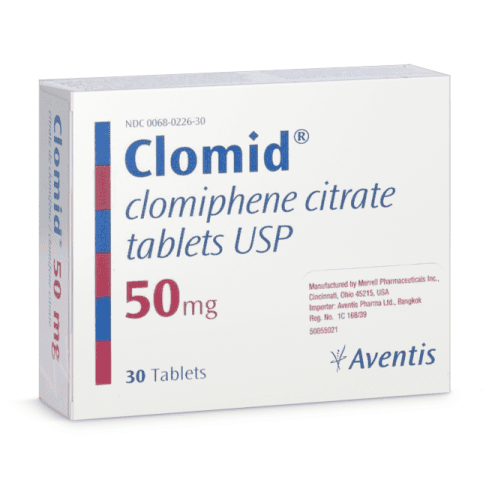
- Buy Clomid Online in the United States Safely and Conveniently
Medical Disclaimer: This article is for informational purposes only. Medication use is only possible after consultation with a doctor. Self-medication can be dangerous and may lead to serious health risks.
Can Clomid be obtained without a prescription in the United States?
No, Clomid (clomiphene) is a prescription medication in the United States. It cannot be legally obtained without a valid prescription from a licensed healthcare provider. Purchasing Clomid without a prescription, including from unregulated online sources, is unsafe and illegal.
Key Takeaways: What You Need to Know About Clomid in the United States
- Clomid is a prescription-only medication used to treat certain types of female infertility, especially ovulatory disorders.
- Most women notice results within the first three cycles of treatment if the medication is effective for their condition.
- The most important safety concern is the risk of ovarian hyperstimulation and multiple pregnancies. Close medical supervision is essential.
- Consultation with a fertility specialist is recommended before starting Clomid to rule out other causes of infertility and discuss risks.
- Never purchase Clomid from unverified sources or without a prescription; counterfeit medications may be ineffective or dangerous.
- If you experience severe abdominal pain, vision changes, or sudden swelling while taking Clomid, seek medical attention immediately.
How Does Clomid Work to Treat Infertility?
Clomid (clomiphene citrate) is a selective estrogen receptor modulator (SERM). It works primarily by binding to estrogen receptors in the hypothalamus—a small structure in the brain that regulates hormone release. By blocking estrogen’s feedback signal, Clomid “tricks” the brain into thinking estrogen levels are low. This stimulates the hypothalamus to secrete more gonadotropin-releasing hormone (GnRH), which in turn prompts the pituitary gland to release higher amounts of follicle-stimulating hormone (FSH) and luteinizing hormone (LH).
FSH and LH are critical for ovulation. FSH helps mature ovarian follicles, while LH triggers the release of a mature egg. By increasing the levels of these hormones, Clomid helps induce ovulation in women who do not ovulate regularly or at all (anovulation).
Simplified metaphor: Think of estrogen as a thermostat, and the hypothalamus as the heater control. Clomid lowers the thermostat reading, causing the “heater” (your body) to turn up the heat (FSH and LH), which encourages the ovaries to release an egg.
Does Clomid require specific conditions to work? Yes. For Clomid to be effective, the ovaries must be able to respond to increased FSH and LH. It will not work in cases where ovarian function is severely impaired or absent, such as premature ovarian insufficiency or ovarian failure.
Recent clinical evidence: A 2023 multicenter randomized controlled trial in the United States found that Clomid induced ovulation in approximately 73% of women with polycystic ovary syndrome (PCOS) and resulted in pregnancy in 36% within six cycles (PubMed).
Myth vs Reality
Myth: Clomid will help all women with infertility.
Reality: Clomid is only effective for women with specific types of ovulatory dysfunction and will not help in cases of blocked fallopian tubes, severe male factor infertility, or diminished ovarian reserve.
Many Patients Expect Quick Results—What Actually Happens in Clinical Practice?
As a reproductive endocrinologist, I often find that patients expect Clomid to work immediately, sometimes after just one cycle. In reality, while some women do ovulate in the first month, clinical success is usually measured over three to six cycles. Many women become discouraged if pregnancy does not occur right away, but it’s important to understand that even in women who ovulate, monthly conception rates are only about 15–20%. Patients also frequently confuse ovulation with guaranteed pregnancy, when in fact, age, sperm quality, and other reproductive factors all play a role. I encourage patients to ask about what to expect during monitoring—such as hormone levels and ultrasound findings—as these provide a much better picture of progress than waiting for a positive pregnancy test alone. Another overlooked issue is the emotional impact of repeated negative cycles, which can be significant and warrants support.
How to Take Clomid: Dosage, Schedule, and What to Expect
- Standard starting dose: 50 mg daily for five days, usually starting on day 3, 4, or 5 of the menstrual cycle.
- Maximum daily dose: 100 mg (some specialists may use up to 150 mg, but higher doses increase side effect risks and are not routinely recommended).
- How long is treatment continued? Treatment is usually continued for up to six cycles if ovulation does not occur; if pregnancy does not result after six successful ovulatory cycles, other interventions may be considered.
- Tablet splitting: Clomid tablets are scored and can usually be split for dose adjustments, but always follow your doctor’s instructions.
- Peak effect: Ovulation is expected to occur about 5–10 days after completing the course.
- Dose adjustments: Lower starting doses may be used in patients with liver impairment, or those at higher risk for ovarian hyperstimulation. In women over 40, efficacy is generally lower, and alternative treatments may be preferred.
- Missed dose: If you miss a dose, contact your physician—do not double the next dose.
All dosing decisions should be made by your fertility specialist, based on your specific clinical situation and response.
Clomid and Lifestyle: Food, Alcohol, and Daily Habits
- Food: Clomid can be taken with or without food. There is no evidence that fatty meals significantly alter its absorption or effect.
- Alcohol: There is no absolute prohibition, but moderate to heavy alcohol use may reduce the chance of conception and increase the risk of side effects. Limit or avoid alcohol during Clomid cycles.
- Grapefruit juice: No specific interaction has been documented with Clomid, but it can affect the metabolism of various medications. To be cautious, avoid large amounts of grapefruit juice while on fertility medications.
- Supplements and herbal products: Some herbal supplements may interact with reproductive hormones. Inform your doctor about any supplements you are taking.
Myth: Changing your diet can dramatically alter Clomid’s effectiveness.
Reality: While healthy diet and weight can improve fertility overall, there is no evidence that specific foods boost the effect of Clomid.
Who Should Not Take Clomid? Contraindications and Cautions
- Absolute Contraindications
-
- Liver disease: Clomid is metabolized in the liver; significant liver dysfunction increases risk of toxicity.
- Pregnancy: Use during pregnancy is strictly contraindicated due to risk of fetal harm.
- Ovarian cysts: Large ovarian cysts (non-PCOS) not due to polycystic ovaries are a contraindication, due to the risk of further enlargement or rupture.
- Unexplained abnormal uterine bleeding: All causes should be evaluated before Clomid is prescribed, as bleeding could indicate serious pathology (e.g., endometrial cancer).
- Hypersensitivity: History of allergic reaction to clomiphene or any component of the tablet.
- Relative Contraindications (Caution Required)
-
- PCOS with high risk of hyperstimulation: Requires careful monitoring to avoid ovarian hyperstimulation syndrome (OHSS).
- Visual disturbances: If visual symptoms develop, treatment must be discontinued due to risk of irreversible changes.
- Thyroid or adrenal dysfunction: These conditions should be corrected before starting Clomid.
- Cardiovascular Risks
-
- Clomid can rarely cause thromboembolic events (blood clots). Use caution in patients with a history of blood clots or significant risk factors for thrombosis.
- After Recent Surgery or Serious Illness
-
- Clomid is typically not initiated until the patient is medically stable and cleared for fertility treatment. There is no established “waiting period” after heart attack or stroke, but an individualized risk assessment is mandatory.
Always inform your doctor about your full medical history before starting Clomid, including any chronic diseases, allergies, or medications.
What Side Effects Are Most Common with Clomid?
- Very Common (>1 in 10 patients)
-
- Hot flashes: Reported by up to 20% of women. Caused by estrogen receptor blockade, similar to menopause symptoms.
- Abdominal discomfort or bloating: Related to ovarian stimulation.
- Common (1 in 100 to 1 in 10)
-
- Mood swings
- Breast tenderness
- Headache
- Nausea or vomiting
- Visual disturbances (blurred vision, spots): Occur in up to 2% of users; usually reversible but require immediate discontinuation.
- Rare (1 in 1,000 to 1 in 100)
-
- Ovarian cyst formation
- Ovarian hyperstimulation syndrome (OHSS): Can be severe, with rapid weight gain, severe pain, or shortness of breath.
- Urticaria or skin rash
- Very Rare (<1 in 1,000)
-
- Severe allergic reactions (anaphylaxis)
- Thromboembolic complications (blood clots)
- Severe vision loss (optic neuritis, retinal events): Extremely rare; risk increases with prolonged or repeated cycles.
If you develop sudden severe abdominal pain, rapid weight gain, leg swelling, chest pain, or visual changes, stop the medication and seek immediate medical attention. Most side effects are temporary and resolve after stopping the drug. Report any side effects to your doctor for evaluation and guidance.
Common Pitfalls: How Patients Can Unintentionally Reduce Clomid’s Effectiveness or Increase Risk
- Starting Clomid without full diagnostic evaluation: Some patients begin treatment before ruling out male factor infertility, tubal blockages, or other causes, leading to unnecessary cycles and possible delays in effective care. Solution: Ensure a thorough fertility workup is complete before starting.
- Not following the prescribed schedule: Missing doses or taking Clomid on the wrong days can result in missed ovulation. Solution: Use a calendar or phone reminders, and clarify timing with your doctor.
- Continuing treatment after experiencing side effects: Ignoring significant side effects, such as vision disturbances or severe pain, can lead to serious complications. Solution: Always report side effects and stop the medication until cleared by your physician.
- Skipping recommended monitoring: Failing to attend ultrasounds or blood tests can increase the risk of OHSS or missing multiple ovulations. Solution: Prioritize all recommended appointments, even if appointments are difficult to schedule.
- Stopping too early or losing hope after one or two unsuccessful cycles: Many patients expect immediate pregnancy, but several cycles may be required for success. Solution: Discuss realistic expectations with your provider.
- Adding unapproved supplements or herbal remedies: Some over-the-counter products may interfere with Clomid or affect hormone balance. Solution: Consult your doctor before adding any new supplements during treatment.
How Does Clomid Compare to Other Infertility Treatments?
| Medication | Mechanism | Typical Onset | Main Side Effects | Multiple Birth Risk | Cost per Cycle (USD) |
|---|---|---|---|---|---|
| Clomid (Clomiphene) | SERM (Estrogen blockade) | Ovulation in 5–10 days | Hot flashes, mood changes, visual effects | 5–10% | $20–$60 |
| Letrozole (Femara) | Aromatase inhibitor | Ovulation in 5–10 days | Fatigue, dizziness, headache | 4–7% | $25–$70 |
| Gonadotropin Injections (FSH, hMG) | Direct ovarian stimulation | Ovulation in 1–2 weeks | OHSS, multiple births, injection site pain | 15–30% | $1000–$3500 |
Bottom line: Clomid remains the most accessible and affordable first-line therapy for many women with ovulatory disorders. Letrozole is increasingly favored for women with PCOS due to better live birth rates and lower multiple pregnancy rates, but both are prescription-only. Gonadotropin injections are reserved for those who do not respond to oral medications.
Clomid Product Information Table
| Parameter | Value |
|---|---|
| Active Ingredient | Clomiphene citrate |
| Dose Strength | 50 mg (most common); 100 mg (less common) |
| Formulation | Tablet (oral) |
| Administration | Once daily for five days, per cycle |
| Storage Requirements | Room temperature (68–77°F), away from moisture and heat |
Clomid Compatibility with Other Medications and Substances
| Substance/Drug | Can It Be Combined? | Possible Consequences |
|---|---|---|
| Acetaminophen (Tylenol) | Yes | No significant interaction |
| Ibuprofen | Yes (Short term) | Prolonged use may affect ovulation |
| Alcohol | Limited | May reduce effectiveness, increase side effects |
| Letrozole or Other Fertility Drugs | No (unless supervised) | Unpredictable hormone effects |
| St. John’s Wort or Herbal Supplements | No (without approval) | Potential hormone interaction |
Always discuss all medications and supplements with your provider before starting Clomid.
Step-by-Step: How to Get Clomid Safely in the United States
- Step 1: Schedule a Consultation. Make an appointment with a board-certified gynecologist or reproductive endocrinologist, ideally one with expertise in infertility. Telemedicine appointments may be available in many states.
- Step 2: Complete a Fertility Evaluation. Expect a medical history review, physical exam, hormone blood tests, and usually a pelvic ultrasound. Your partner may also need a semen analysis.
- Step 3: Receive a Treatment Plan. If Clomid is appropriate, your doctor will explain the treatment protocol, expected outcomes, and the need for monitoring (bloodwork and ultrasound, if indicated).
- Step 4: Obtain a Prescription. If you are a suitable candidate, your provider will send a prescription to a licensed pharmacy or provide a written prescription.
- Step 5: Fill the Prescription at a Legitimate Pharmacy. Use a trusted local or major chain pharmacy; some telehealth services may send Clomid directly from a certified mail-order pharmacy.
- Step 6: Begin the Medication as Directed. Follow your doctor’s instructions carefully regarding dose, timing, and cycle monitoring.
- Step 7: Attend All Follow-up Visits. Monitoring is vital to assess ovulation, evaluate side effects, and adjust treatment as needed.
What Patients Often Ask Their Doctor About Clomid
- How quickly should I expect to see results with Clomid?
- Most women who are going to respond to Clomid will ovulate within the first three cycles. If you do not ovulate after three cycles, your doctor may consider dose adjustment or alternative therapies.
- Do I need to have ultrasounds or blood tests while on Clomid?
- Monitoring ovulation with ultrasound and/or bloodwork is common, especially for the first cycle, to reduce the risk of multiple pregnancies and ovarian hyperstimulation. Your doctor will determine the frequency based on your individual risk and local practice guidelines.
- Is it safe to use Clomid for more than six cycles?
- Prolonged use (more than six cycles) is generally discouraged due to declining success rates and increased potential risks, including rare ovarian tumors. If you have not achieved pregnancy after six cycles, reassessment is strongly recommended.
- Will I have a higher chance of twins or multiples with Clomid?
- Yes, the risk of multiple pregnancy (usually twins) is increased to about 5–10%, compared to 1–2% in natural conception cycles. Your doctor will monitor you closely to minimize this risk.
- Should my partner also be evaluated before we start Clomid?
- Absolutely. Male factor infertility contributes to up to 40% of cases. A semen analysis should be performed before beginning any ovulation induction therapy.
- Can Clomid affect my mood or mental health?
- Some women experience mood swings, irritability, or anxiety while on Clomid. Let your doctor know if these symptoms are severe or interfere with daily life.
- How do we know if I am actually ovulating with Clomid?
- Ovulation can be confirmed with ultrasound, blood tests, or by tracking luteinizing hormone surges at home. Your provider will recommend the best method for your situation.
How to Identify Legitimate Online Pharmacies for Clomid in the United States
- Look for ‘.pharmacy’ domains: Legitimate online pharmacies accredited by the National Association of Boards of Pharmacy (NABP) may use this domain.
- Verify licensing: The pharmacy should be licensed in your state and list a physical address and contact information.
- Require a prescription: Any pharmacy selling Clomid without a prescription is operating illegally and should be avoided.
- Check for accreditation: Use the NABP’s Safe Pharmacy database to verify legitimacy.
- Beware of low prices or “no prescription” offers: These are red flags for counterfeit or substandard products.
- Be wary of international shipments: Importing medication from outside the United States is illegal and may result in confiscation or exposure to unregulated drugs.
- Never provide personal or payment information to sites that do not clearly display their credentials and privacy policies.
Counterfeit medicines are a real risk. Only purchase fertility medications through trusted healthcare providers and licensed pharmacies.
How to Tell Original Clomid from Counterfeit or Substandard Products
- Check the packaging: Original Clomid is supplied in tamper-evident blisters, with the manufacturer’s name (e.g., Sanofi), lot number, and expiration date clearly printed. Labels should not be faded, smudged, or misaligned.
- Tablet appearance: Genuine Clomid tablets are round, white, and scored, with “CLOMID” and dose strength engraved. Misspellings or variations in tablet shape/size are suspicious.
- Security features: Some packages include holograms, QR codes, or verification stickers. Check with your pharmacist if unsure.
- Unusually low price: If the price is drastically lower than major U.S. pharmacies, the product may be counterfeit or foreign-market only.
- Generics vs. original: FDA-approved generics (e.g., clomiphene citrate by Teva, Barr) are safe and effective, but will be labeled as “clomiphene citrate” and may look different from branded Clomid. They are legal in the United States and undergo strict quality testing.
- Inactive ingredients (excipients): These may vary between brands and generics. If you have allergies, request a full list from your pharmacist.
Myth: Generics are lower quality than the brand.
Reality: FDA-approved generics must meet the same rigorous standards for safety and efficacy as the original.
Acknowledging the Emotional Side of Infertility
Struggling with infertility can be emotionally taxing and is more common than many realize. It often affects both partners, and feelings of frustration, sadness, or isolation are normal. Consider discussing your feelings with your partner and seeking support from a counselor or fertility support group. Psychological well-being plays an important role in the fertility journey.
Pharmacokinetics: How Clomid Is Metabolized and Eliminated
- Metabolism: Clomid is processed in the liver.
- Half-life: The half-life of clomiphene’s isomers ranges from 5 to 7 days, but one isomer may remain detectable for up to a month, explaining why effects can last beyond active dosing.
- Elimination: Excreted primarily in the stool (via bile), with a smaller amount in urine.
- Implications: People with liver impairment may need dose adjustments or a different therapy; kidney impairment has less impact on Clomid clearance.
Special Considerations: Clomid Use in Specific Patient Groups
- Liver disease: Use is contraindicated.
- Polycystic ovary syndrome (PCOS): Clomid may increase the risk of ovarian hyperstimulation; lower starting doses and close monitoring are recommended.
- Older women (>40): Reduced effectiveness; alternative therapies may be preferred.
- Obesity or metabolic syndrome: May reduce response; lifestyle modification may improve outcomes.
- Ability to drive: Rare visual disturbances can occur; do not drive or operate machinery if you experience blurred vision or other impairments.
- Men: Clomid is sometimes used off-label for male infertility, but only under specialist supervision.
Original vs Generic Clomid: What’s the Difference?
- Original: “Clomid” is the brand name, originally by Sanofi-Aventis. Tablet appearance and packaging are standardized.
- Generics: FDA-approved generics (labeled clomiphene citrate) are produced by various manufacturers (e.g., Teva, Barr, Apotex). Generics use the same active ingredient and must demonstrate bioequivalence to Clomid.
- Excipient differences: Coloring, fillers, or binding agents may differ, potentially affecting those with allergies.
- Cost: Generics are typically less expensive ($15–$40 per cycle) than brand-name Clomid ($40–$60 per cycle).
- Effectiveness: No clinically significant difference in ovulation or pregnancy rates between generic and original in FDA-approved products.
Generics are a safe and cost-effective option for most patients, provided they are obtained from a licensed pharmacy.
Quality Assurance: What Should Genuine Clomid Look Like?
- Tablet: White, round, scored, engraved with “CLOMID 50” (or generic equivalent).
- Blister pack: Tamper-evident, with clear lot and expiration details.
- Box: Manufacturer’s logo, FDA batch code, and U.S. pharmacy labeling (if dispensed in the U.S.).
- Security feature: Some manufacturers include QR codes or holographic stickers for authenticity checks. If missing, consult your pharmacist.
- Packaging warning: Foreign-language packaging, unclear labels, or mismatched lot/expiry dates are red flags for counterfeiting.
What to Do in Case of Clomid Overdose
- Stop taking Clomid immediately.
- Call Poison Control at 1-800-222-1222 or seek emergency medical attention.
- Inform the medical team: Provide details of the dose taken, time of ingestion, and any symptoms experienced.
- Do not attempt to induce vomiting unless specifically instructed by a healthcare professional.
Symptoms of overdose may include severe nausea, vomiting, abdominal pain, vision changes, or ovarian enlargement. Early medical intervention is crucial to prevent complications.
What Should I Do if Clomid Does Not Work?
If you do not ovulate after three cycles, or do not achieve pregnancy after six ovulatory cycles, your doctor will likely recommend further evaluation. This may include additional testing for other causes of infertility or switching to alternative therapies such as letrozole, gonadotropins, or assisted reproductive technologies (ART) like in vitro fertilization (IVF). Sometimes, lifestyle changes or treatment of underlying conditions (such as thyroid dysfunction or obesity) may improve your chances of success.
Bottom line: Failure to respond to Clomid is not uncommon and is not the end of your fertility journey. Personalized care is key.
doctor’s Clinical Opinion: Who Benefits Most from Clomid?
In my clinical experience, Clomid offers the greatest benefit to women under age 35 who have regular menstrual cycles but do not ovulate (anovulatory or oligo-ovulatory infertility), particularly those with polycystic ovary syndrome (PCOS) and normal uterine and tubal anatomy. Women with unexplained infertility may also benefit, though success rates are lower. Women over 40, those with diminished ovarian reserve, or those with blocked fallopian tubes are less likely to achieve pregnancy with Clomid and may be better served by alternative therapies such as letrozole, injectable gonadotropins, or advanced assisted reproductive techniques. In patients at high risk for ovarian hyperstimulation or with a history of visual disturbances, I weigh the risks more carefully and generally advise against prolonged use. The decision to use Clomid must be individualized, considering both efficacy and safety, and should always be made in partnership with a reproductive medicine specialist.
FAQ: Clomid Use in the United States
- Is Clomid available without a prescription in the United States?
- No, Clomid is only available with a prescription from a licensed healthcare provider. Obtaining it without a prescription is illegal and unsafe.
- How much does a cycle of Clomid typically cost?
- Generic clomiphene citrate costs about $15–$40 per cycle, while branded Clomid can cost $40–$60 per cycle at U.S. pharmacies. Prices vary by location and insurance coverage.
- How long should Clomid be used?
- Most protocols limit Clomid use to a maximum of six cycles. If pregnancy does not occur after this period, reassessment and alternative treatments are usually considered.
- What are the most common side effects of Clomid?
- Hot flashes, abdominal discomfort, mood changes, breast tenderness, headache, and occasionally visual disturbances are the most common side effects.
- Does Clomid increase the chance of twins?
- Yes, Clomid increases the risk of twins to about 5–10%, compared to the natural background rate of 1–2%.
- Can men use Clomid for infertility?
- Clomid is sometimes prescribed off-label in male infertility to raise testosterone and improve sperm parameters, but this is only done under specialist supervision.
- What should I do if I miss a dose of Clomid?
- Contact your prescribing doctor for guidance. Do not double up on the next dose unless specifically instructed.
- Can I buy Clomid online?
- Clomid can only be legally purchased from a licensed U.S. pharmacy with a valid prescription. Online sources that do not require a prescription are illegal and may sell counterfeit products.
- Does insurance cover Clomid?
- Some insurance plans cover Clomid, especially if it is prescribed for a recognized medical indication. Coverage varies widely—check with your insurer or pharmacy benefit manager.
- Does Clomid interact with other medications?
- Clomid has few significant drug interactions, but always disclose all medications and supplements to your doctor before starting therapy.
References
- U.S. Food and Drug Administration (FDA), [Homepage](https://www.fda.gov/), Accessed June 2026.
- American Society for Reproductive Medicine (ASRM), [Homepage](https://www.asrm.org/), Accessed June 2026.
- Mayo Clinic, Clomiphene (Oral Route): [Patient Information](https://www.mayoclinic.org/drugs-supplements/clomiphene-oral-route/description/drg-20069798), Accessed June 2026.
- National Institutes of Health (NIH), MedlinePlus: Clomiphene, [Homepage](https://medlineplus.gov/druginfo/meds/a682704.html), Accessed June 2026.
- PubMed, Recent Clinical Studies on Clomiphene in PCOS, [Homepage](https://pubmed.ncbi.nlm.nih.gov/), Accessed June 2026.
- Safe Pharmacy Verification Program, National Association of Boards of Pharmacy (NABP), [Homepage](https://safe.pharmacy/), Accessed June 2026.
- Centers for Disease Control and Prevention (CDC), Infertility Overview, [Homepage](https://www.cdc.gov/reproductivehealth/infertility/index.htm), Accessed June 2026.
