
Buy Glucophage Online in the United States – Fast Delivery Available
October 20, 2026Buy Lasix at Low Price in the United States Online
October 20, 2026- Home/
- Buy Propecia Online in the United States for Fast Delivery
This article is for informational purposes only. Medication use is only possible after consultation with a doctor. Self-medication is dangerous and can be life-threatening.
Can Propecia Be Purchased Without a Prescription in the United States?
Propecia (finasteride) is a prescription-only medication in the United States. You cannot legally obtain it without a valid prescription from a licensed healthcare provider.
Key Takeaways About Propecia for Hair Loss in the U.S.
- Propecia is designed for men with male pattern hair loss (androgenetic alopecia); it is not recommended for women or children.
- Results typically become visible after 3–6 months of daily use; stopping the medication leads to loss of any new hair growth within 12 months.
- Serious side effects are rare, but sexual side effects can occur; discuss all risks and benefits with your doctor before starting therapy.
- A doctor’s prescription is mandatory in the United States; telehealth and in-person consultation are both available.
- The main benefit is slowing hair loss and sometimes stimulating new hair growth in the crown and mid-scalp region, but not the front hairline.
- Consult a healthcare provider if you notice any breast changes, persistent depression, or sexual side effects.
How Does Propecia Work in the Body?
Propecia’s active ingredient, finasteride, is a type II 5-alpha reductase inhibitor. It blocks the enzyme 5-alpha reductase, which converts testosterone to dihydrotestosterone (DHT). DHT is the androgen primarily responsible for miniaturizing hair follicles in men genetically susceptible to male pattern baldness (androgenetic alopecia). By inhibiting this conversion, Propecia lowers scalp and serum DHT levels by up to 60–70%, helping to slow hair loss and, in some cases, stimulate new hair growth in specific scalp regions (mainly the vertex and mid-scalp).
DHT also plays a role in prostate growth, which is why finasteride is used at higher doses to treat benign prostatic hyperplasia (BPH). At the 1 mg dose used for hair loss, Propecia has minimal effect on circulating testosterone but significantly reduces DHT.
Metaphor: Think of 5-alpha reductase as a “factory” that turns testosterone into a “powerful hair miniaturizer” (DHT). Propecia slows down this factory, so less DHT is produced, protecting hair follicles from shrinking.
Importantly, Propecia works independently of external triggers or lifestyle factors—it acts directly on scalp and blood DHT levels regardless of diet or environment.
Why Some Patients Expect Too Much Too Soon: Clinical Observations
In my experience, many patients expect visible hair regrowth within a few weeks of starting Propecia, often based on online testimonials or before-and-after photos. The reality is that most individuals will see no visible change for the first three to six months. Some even notice more shedding initially—a temporary “shedding phase” as hair follicles shift to a new growth cycle. Patients rarely ask about this, yet it’s a normal response and not a sign the treatment is failing. Another frequent misconception is that Propecia will restore a receding hairline or create dramatic results; in reality, its main effect is slowing loss and promoting modest regrowth in the crown area, not at the frontal hairline. I always encourage patients to set realistic goals and understand that stopping the medication will gradually reverse any gains. Long-term commitment, patience, and ongoing monitoring are key to success with this therapy.
How Should Propecia Be Taken for Best Results?
Standard starting dose: 1 mg tablet taken orally once daily, preferably at the same time each day, with or without food. There is no benefit to taking higher doses for hair loss. The maximum daily dose for androgenetic alopecia is 1 mg; do not exceed this amount.
- Peak effect: DHT suppression occurs within 24 hours, but visible hair changes usually take 3–6 months. Full benefits are generally seen by 12 months.
- Duration of action: The effect persists for about 7 days after the last dose, but stopping therapy leads to return of pre-treatment hair loss pattern within 9–12 months.
- Tablet splitting: Propecia tablets are film-coated and should not be split or crushed, especially to avoid contact with the active ingredient by women or children (finasteride can be absorbed through the skin and may cause birth defects).
- Missed dose: If you forget a dose, take it as soon as you remember unless it’s nearly time for your next dose. Do not double up.
Special populations: No dose adjustment is required for mild to moderate kidney impairment. Propecia is not indicated for use in women, children, or patients with severe liver impairment; use with caution in elderly men as safety data are limited.
How Does Food, Alcohol, and Lifestyle Affect Propecia?
- Food: Propecia can be taken with or without food. High-fat meals do not significantly affect absorption or efficacy.
- Alcohol: There is no strict prohibition, but excessive alcohol intake may impact sexual function independently and is not recommended for overall health.
- Grapefruit juice: Unlike many other medications, there is no known interaction between finasteride and grapefruit juice.
- Supplements and herbal products: Most have no documented effect, but always check with your pharmacist or doctor.
- Driving and machinery: Propecia does not impair the ability to drive or operate machinery.
Myth vs Reality: Myth: “Diet and exercise will dramatically enhance Propecia’s hair regrowth effect.” Reality: While a healthy lifestyle supports overall well-being, it does not directly influence Propecia’s pharmacological impact on DHT or hair follicles.
Who Should Not Use Propecia?
- Absolute contraindications (never use):
-
- Women who are pregnant or may become pregnant (risk of birth defects in male fetuses)
- Children (safety and efficacy not established)
- Known hypersensitivity to finasteride or any component of the formulation
- Relative contraindications (use only with close medical supervision):
-
- Significant liver impairment (finasteride is metabolized in the liver)
- Men with a history of prostate cancer (may mask PSA levels and delay diagnosis)
- Concurrent use with certain other medications affecting androgen metabolism (consult your doctor)
Cardiovascular risk: No direct risk, but always inform your doctor about all medications and conditions.
Why? Propecia’s anti-androgenic effect can cause birth defects in male fetuses and may alter hormone balance in susceptible individuals.
After a heart attack or stroke: There is no specific waiting period, but start only under medical supervision as part of an overall health assessment.
What Side Effects Are Most Common with Propecia?
Very common (>1/10): None reported.
Common (1/100 to 1/10):
- Reduced libido (sex drive)
- Erectile dysfunction
- Decreased volume of ejaculate
Uncommon/Rare (<1/100):
- Breast tenderness or enlargement (gynecomastia)
- Testicular pain
- Persistent sexual side effects after stopping (Post-Finasteride Syndrome)—controversial and under investigation
- Mood changes, including depression
- Allergic rash or swelling
Very rare (<1/10,000):
- Male breast cancer (causal link not established but precaution advised)
- Serious allergic reactions (anaphylaxis)
What to do: Report any persistent sexual, mood, or breast changes to your doctor promptly. If you experience swelling of lips, face, or throat, or difficulty breathing, seek emergency care.
Myth vs Reality: Myth: “Sexual side effects always occur and are permanent.” Reality: Most men do not experience side effects. For those who do, effects usually resolve after stopping the medication, although rare persistent cases are under investigation.
Why Propecia Sometimes Fails: Common Patient Mistakes and Solutions
- Stopping too soon: Many patients give up after 2–3 months when they don’t see visible changes—but Propecia needs at least 6–12 months for a fair trial. Solution: Commit to a longer treatment window before deciding effectiveness.
- Inconsistent dosing: Skipping days or taking the medication irregularly leads to fluctuating DHT levels, reducing efficacy. Solution: Set a daily reminder and take the medication at the same time daily.
- Handling tablets unsafely: Some try to split or crush the film-coated tablet, risking skin absorption by others in the household. Solution: Swallow tablets whole and store securely out of reach of women and children.
- Ignoring new symptoms: Failing to report breast changes, mood shifts, or persistent sexual side effects can delay important evaluation. Solution: Communicate promptly with your healthcare provider about any new or concerning symptoms.
- Combining with unapproved products: Using unregulated supplements or other hair loss products without medical advice can introduce risks or reduce efficacy. Solution: Discuss all products you use with your doctor or pharmacist.
How Does Propecia Compare to Other Hair Loss Treatments?
The primary alternatives to Propecia (finasteride) are minoxidil (topical) and dutasteride (oral, sometimes prescribed off-label for hair loss). Each has distinct advantages and limitations:
| Medication | Active Ingredient | How It’s Used | Onset of Results | Typical Side Effects | Cost per Month (USD) | Prescription Required? |
|---|---|---|---|---|---|---|
| Propecia | Finasteride 1 mg | Oral tablet, once daily | 3–6 months | Sexual dysfunction, gynecomastia, mood changes | $60–$90 | Yes |
| Rogaine | Minoxidil 5% topical | Scalp solution/foam, twice daily | 3–6 months | Scalp irritation, itching | $25–$50 | No (OTC) |
| Avodart (off-label use) | Dutasteride 0.5 mg | Oral capsule, once daily | 3–6 months | Sexual dysfunction, breast changes | $80–$150 | Yes (off-label for hair loss) |
Bottom line: Propecia offers oral convenience and strong DHT suppression, but requires a prescription and regular monitoring. Minoxidil is available without a prescription but must be applied topically. Dutasteride may be more effective in some cases but carries a higher risk of side effects and is not FDA-approved for hair loss in the U.S.
Propecia Technical Reference Table
| Parameter | Value |
| Active Ingredient | Finasteride 1 mg |
| Formulation | Film-coated tablet |
| Route of Administration | Oral |
| Typical Dosage | 1 mg once daily |
| Shelf Life | 36 months (unopened) |
| Storage | Room temperature (68–77°F; 20–25°C), away from moisture |
| Manufacturer | Merck & Co., Inc. |
Compatibility Check: Propecia with Other Medications
| Product Type | Can it be combined? | Consequences |
|---|---|---|
| Aspirin, Acetaminophen | Yes | No significant interaction expected |
| Nitrates (e.g., nitroglycerin) | Yes | No documented interaction |
| Minoxidil (topical) | Yes | Often combined for increased efficacy |
| Dutasteride | Not recommended | No proven benefit; may increase side effect risk |
| Saw palmetto supplements | Caution | Potential additive anti-androgen effects; consult your doctor |
| Antidepressants | Yes | Monitor for mood changes |
How to Obtain Propecia Legally in the United States: Step-by-Step Guide
- Consult a qualified healthcare provider: Schedule an in-person visit (e.g., in New York, Los Angeles, Chicago, or your local city) or use a reputable telehealth service that connects you with U.S.-licensed physicians.
- Medical evaluation: The doctor will assess your pattern of hair loss, medical history, and possible contraindications. Laboratory tests (such as PSA) or scalp examination may be performed if indicated.
- Prescription issuance: If Propecia is considered appropriate, your provider will issue a prescription—either electronically to your preferred pharmacy, or as a paper/electronic copy you can submit.
- Pharmacy fulfillment: Fill your prescription at a licensed pharmacy—either in person or via a pharmacy’s official online platform. Pharmacists may provide counseling on correct use and what to expect.
- Ongoing follow-up: Schedule regular follow-up with your doctor to monitor progress and side effects, especially during the first year of use.
How to Safely Use Online Pharmacies for Propecia in the United States
Legitimate online pharmacies in the U.S. are regulated by the FDA and state boards of pharmacy. To verify an online pharmacy’s legitimacy:
- Look for the NABP .pharmacy Verified Websites Program seal.
- Require a valid prescription from a U.S.-licensed prescriber.
- Provide a physical address and a phone number with U.S. contact information.
- Avoid websites offering Propecia without a prescription, prices far below market averages, or shipment from outside the U.S.—these are common counterfeit risks.
- Check with the National Association of Boards of Pharmacy (NABP) for consumer alerts and pharmacy verification.
Unregulated sellers may provide counterfeit, contaminated, or incorrect medications—posing significant health risks.
How to Identify Genuine Propecia and Understand Generics
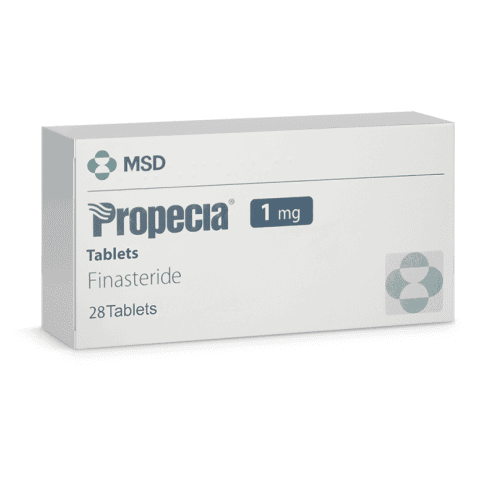
- Original Propecia packaging: Blister packs with the “Propecia” name, lot number, and expiration date; Merck logo; white, film-coated, round tablets with “MSD 72” engraving.
- Security features: U.S. packaging may include a QR code, bar code, or hologram. Packaging should be undamaged and tamper-evident.
- Common counterfeit signs: Misspelled labels, non-standard tablet color/shape, lack of manufacturer information, or unusually low prices.
What are generics? FDA-approved generic finasteride 1 mg tablets are available in the U.S. They contain the same active ingredient, are held to the same manufacturing and quality standards, and are usually less expensive. Generics may differ in color, shape, or inactive ingredients (excipients), which could rarely cause allergic reactions in susceptible individuals.
Advantages of generics: Cost savings and equal clinical efficacy. Disadvantage: Some patients prefer the specific brand based on perceived reliability or insurance coverage.
Psychological Support: You’re Not Alone
Male pattern hair loss is a common condition affecting millions of men across the United States. If you’re struggling with the emotional or social impact of hair loss, know that help is available. Many find it helpful to talk to a partner, a counselor, or a healthcare professional about their concerns and expectations before starting treatment.
How Is Propecia Processed in the Body?
Absorption: Finasteride is well absorbed from the gastrointestinal tract, reaching peak plasma concentration within 1–2 hours after oral administration.
Metabolism: Propecia is metabolized in the liver, mainly via the cytochrome P450 3A4 (CYP3A4) pathway. Significant impairment may increase blood levels and risk of side effects.
Half-life: The terminal half-life in healthy young men is approximately 6 hours; in elderly men, about 8 hours.
Elimination: About 40% is excreted in urine (as metabolites); 57% is eliminated via feces.
Clinical implication: Patients with severe liver disease should use Propecia only under specialist supervision.
Special Considerations for Specific Patient Groups
- Elderly: No dose adjustment is required, but safety data are limited for men over 65.
- Liver Disease: Use with caution; discuss risks thoroughly with your doctor.
- Chronic conditions: Propecia does not significantly interact with cardiovascular, antihypertensive, or antidiabetic medications, but always inform your care team about all prescribed and OTC drugs.
- Fertility: Propecia can lower semen volume, but available data suggest no significant effect on sperm count or motility at the 1 mg dose. If you are planning to conceive, discuss this with your provider.
- Operating machinery: Propecia does not impair alertness or coordination.
What to Do in Case of a Propecia Overdose
- Stop taking Propecia immediately.
- Call your regional Poison Control Center (1-800-222-1222) or seek emergency medical help.
- Provide medical personnel with accurate information about the amount and timing of the overdose, as well as any symptoms experienced.
- Do not attempt to induce vomiting unless instructed by a medical professional.
No life-threatening effects are expected with most single overdoses, but always err on the side of caution.
Questions Patients Often Ask doctor About Propecia
- Will I see hair regrowth everywhere, or just on the crown?
- Regrowth is usually most noticeable in the crown and mid-scalp area. Results at the frontal hairline are limited for most patients.
- How do you monitor my progress on Propecia?
- We assess hair density and scalp changes visually, sometimes with photographs, every 6–12 months. We also monitor for side effects and can adjust treatment if needed.
- Is it safe to stay on Propecia long-term?
- For most men, long-term use is well tolerated. We monitor for rare side effects and may pause or stop therapy if any risks develop. Ongoing benefit requires continued use.
- What should I do if I notice breast tenderness or lumps?
- Report any breast changes immediately. While rare, breast tissue growth or lumps require prompt evaluation to rule out more serious conditions.
- Is there a way to know if Propecia is working before six months?
- Some patients notice less shedding or subtle thickening after three months, but most need at least six months to judge effectiveness.
- If I stop Propecia, will the hair I gained fall out?
- Yes, any regrowth or slowing of hair loss will gradually reverse over 9–12 months after discontinuing treatment.
- Can I combine Propecia with minoxidil?
- Yes, these medications are often used together for greater effect, as they work through different mechanisms.
doctor’s Clinical Opinion: Who Should Consider Propecia?
In my clinical practice, Propecia is best suited for men under age 40 with early to moderate male pattern hair loss, particularly those with thinning in the crown and mid-scalp. Patients who have realistic expectations—understanding that results are gradual and that regrowth is often subtle—tend to be the most satisfied. Propecia is less effective for extensive or longstanding baldness and offers limited benefit for receding hairlines. Men with a personal or family history of hormone-sensitive cancers, significant liver disease, or those planning to conceive imminently may not be ideal candidates due to either contraindications or potential risks. In cases where sexual side effects develop or mood changes arise, I often reassess the benefit-risk balance and consider alternative therapies such as topical minoxidil or procedural options. Periodic follow-up is essential to ensure patient safety and satisfaction with ongoing therapy.
Frequently Asked Questions (FAQ) About Propecia in the U.S.
- Is Propecia available without a prescription in the United States?
- No, a valid prescription from a licensed healthcare provider is required to obtain Propecia in the U.S.
- How long does it take to see results from Propecia?
- Most men notice improvement after 3–6 months. Continued use is needed to maintain results.
- What happens if I stop taking Propecia?
- Any new hair growth or slowing of hair loss will be lost within 9–12 months of discontinuing the medication.
- Can women use Propecia?
- No, it is not recommended for women and is contraindicated in women who are or may become pregnant due to risk of birth defects.
- What is the typical cost of Propecia or generic finasteride?
- The branded product costs about $60–$90 per month; generic versions are available for as little as $15–$30 per month, depending on pharmacy and insurance coverage.
- Are there any serious risks with long-term use?
- Serious risks are rare. Some men experience persistent sexual side effects; rare cases of breast changes or mood disturbances have been reported. Regular doctor follow-up is advised.
- Do I need any lab tests before starting Propecia?
- Routine lab testing is not required for healthy men, but your doctor may recommend a PSA test or other assessments based on age and personal risk factors.
- Can I get Propecia through telemedicine?
- Yes, many U.S.-licensed telehealth platforms offer consultations and, if appropriate, electronic prescriptions for Propecia.
- How do I verify that my Propecia is authentic?
- Purchase only from licensed U.S. pharmacies. Check for correct branding, packaging, and security features. Contact the manufacturer or pharmacy with any concerns.
- Is it safe to combine Propecia with other hair loss treatments?
- Yes, it is commonly combined with topical minoxidil for enhanced effect, but always inform your doctor about all treatments in use.
References
- FDA (U.S. Food and Drug Administration). Propecia (finasteride) label and safety information. Accessed June 2024. https://www.fda.gov/
- Mayo Clinic. Finasteride (Oral Route): Description and Brand Names. Accessed June 2024. https://www.mayoclinic.org/
- PubMed. Kaufman KD et al. “Finasteride in the treatment of men with androgenetic alopecia.” J Am Acad Dermatol. 1998;39:578-589. https://pubmed.ncbi.nlm.nih.gov/
- National Association of Boards of Pharmacy (NABP). Safe Pharmacy. Accessed June 2024. https://nabp.pharmacy/
- American Academy of Dermatology Association. Hair loss: Who gets and causes. Accessed June 2024. https://www.aad.org/
- ClinicalTrials.gov. “Finasteride for Male Pattern Hair Loss.” Accessed June 2024. https://www.clinicaltrials.gov/
