
Buy Antabuse Without Prescription in the United States Online
October 20, 2026Buy Propecia Online in the United States for Fast Delivery
October 20, 2026- Home/
- Buy Glucophage Online in the United States – Fast Delivery Available
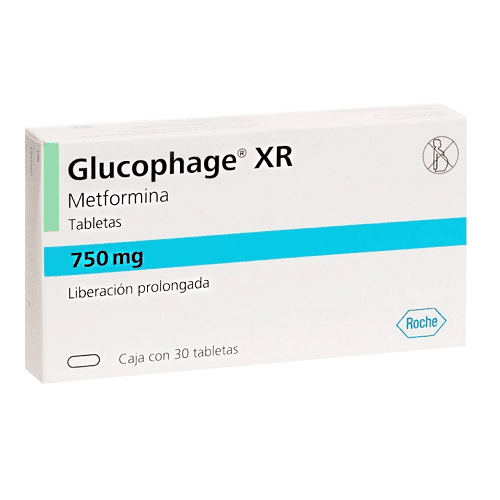
Can Glucophage (Metformin) Be Obtained Without a Prescription in the United States?
Glucophage (metformin) is a prescription-only medication in the United States. It cannot be legally obtained without a valid prescription from a licensed healthcare provider. Over-the-counter sales of Glucophage are not permitted under any circumstances.
Key Takeaways: What You Need to Know Before Considering Glucophage
- Glucophage is primarily used to treat type 2 diabetes and requires a doctor’s prescription in the United States.
- It is most suitable for adults with type 2 diabetes, especially when lifestyle changes alone are insufficient to control blood glucose.
- Glucophage works gradually; patients should not expect immediate results. Noticeable blood sugar improvements are often seen within a few weeks.
- The most important safety concern is the risk of lactic acidosis, a rare but serious side effect—patients with significant kidney or liver disease must avoid Glucophage.
- Consult your doctor promptly if you experience unusual fatigue, muscle pain, or trouble breathing while on Glucophage.
- Glucophage is not a substitute for a healthy diet and regular physical activity, which remain essential parts of managing diabetes.
How Does Glucophage Work to Control Blood Sugar?
Glucophage contains the active ingredient metformin, which belongs to the biguanide class of antihyperglycemic agents. Unlike insulin or sulfonylureas, metformin does not increase insulin secretion. Instead, it acts primarily by:
- Inhibiting hepatic gluconeogenesis: Glucophage decreases the liver’s production of glucose by inhibiting mitochondrial respiratory chain complex I, leading to reduced ATP levels and activation of AMP-activated protein kinase (AMPK). This enzyme acts as a metabolic “master switch,” shutting down excess sugar production in the liver.1
- Improving peripheral insulin sensitivity: By making muscle and fat cells more responsive to the effects of insulin, Glucophage enables these tissues to take up glucose from the bloodstream more efficiently.
- Decreasing intestinal glucose absorption: Metformin slightly delays and reduces the absorption of glucose from the gut, lowering post-meal blood sugar spikes.
Metaphor: Think of Glucophage as a traffic controller for sugar: it reduces the number of new “sugar cars” entering the bloodstream from the liver and gut, while simultaneously making the “roads” (muscle and fat) more open for glucose to move out of circulation.
Unlike some diabetes medications, Glucophage does not cause hypoglycemia (dangerously low blood sugar) when used alone, because it does not increase insulin secretion.2
Patient Perceptions vs. Clinical Reality: What Patients Should Know About Glucophage Therapy
As a diabetes specialist, I’ve noticed patients often expect rapid and dramatic changes in their blood sugar levels once they start Glucophage. However, the reality is that improvements are usually gradual and may take several weeks to become evident on laboratory tests. Some assume that if they don’t feel different, the medication isn’t working—but Glucophage does its best work quietly and steadily over time. It’s important to remember that its main benefits are measured by blood glucose readings, not by how you feel day-to-day. Rarely do patients ask whether Glucophage will interact with supplements, or how underlying kidney function might affect their risk, though these are critical points. I urge every patient to ask about lab monitoring and how we assess long-term effectiveness—these are areas where proactive questions truly make a difference.
How Should Glucophage Be Taken for Type 2 Diabetes?
Glucophage dosage is personalized, and only your doctor can determine the right regimen. Typical initiation and adjustment follow these principles:
- Starting dose (immediate-release): 500 mg once or twice daily with meals. Some patients may start with 850 mg once daily.
- Titration: The dose is gradually increased in 500 mg increments every 1–2 weeks based on blood glucose response and gastrointestinal tolerance.
- Maximum daily dose: 2,000–2,500 mg (immediate-release) or 2,000 mg (extended-release) per day, divided into 2–3 doses. Do not exceed 2,500 mg per day.
- Extended-release formulation: Often started at 500 mg once daily with the evening meal, titrated as above, with a typical maximum of 2,000 mg/day.
- Tablet splitting: Regular Glucophage tablets may be split, but extended-release tablets must not be broken or chewed.
- Renal or hepatic impairment: Dose must be adjusted or discontinued. Glucophage is contraindicated in patients with an eGFR below 30 mL/min/1.73m2 (see Contraindications).
- Elderly patients: Careful monitoring of kidney function is essential—starting at a lower dose is often recommended.
Glucophage should always be taken with food to minimize gastrointestinal side effects. The duration of action varies by formulation, but most patients take the medication once or twice daily.
How Does Food, Alcohol, and Lifestyle Affect Glucophage?
Meal timing: Take Glucophage with meals to reduce the risk of stomach upset. Skipping meals while on Glucophage increases the risk of hypoglycemia if you are also taking insulin or other diabetes medicines.
Fatty meals: High-fat meals may delay absorption but do not significantly impact the overall effectiveness of Glucophage.3
Alcohol: Strict moderation is crucial. Consuming excessive alcohol—especially binge drinking or heavy daily use—increases the risk of lactic acidosis, a potentially fatal complication. As a rule, no more than one standard drink per day for women and two for men is considered safe, but complete avoidance is ideal for high-risk patients.
Grapefruit juice: No clinically significant interaction with metformin has been reported, unlike with some other medications.
Exercise: Regular physical activity enhances the effectiveness of Glucophage and improves overall glucose control.
Who Should Not Take Glucophage? Key Contraindications
- Absolute contraindications (never use):
-
- Severe kidney impairment: eGFR < 30 mL/min/1.73m2
- Severe hepatic impairment
- Acute or chronic metabolic acidosis (including diabetic ketoacidosis)
- Known hypersensitivity to metformin or excipients in Glucophage
- Relative contraindications (use only with extreme caution or specialist advice):
-
- Moderate renal impairment (eGFR 30–45 mL/min/1.73m2)—dose reduction and close monitoring required
- Conditions associated with hypoxia (e.g., recent myocardial infarction, heart failure, respiratory failure)
- History of lactic acidosis
- Excessive alcohol use
- Planned iodinated contrast procedures (e.g., CT with contrast)—Glucophage should be temporarily withheld
Why? Impaired kidney or liver function increases metformin accumulation, raising the risk of lactic acidosis. Conditions that decrease tissue oxygenation (like heart failure or severe infection) further raise this risk.
After an acute event (e.g., heart attack): Glucophage may only be resumed under specialist care after stabilization and confirmation of normal kidney function.
What Side Effects Are Most Common with Glucophage?
Glucophage is generally well tolerated, but side effects can occur. They are classified as follows4:
- Very common (>10%):
-
- Gastrointestinal symptoms: diarrhea, nausea, vomiting, abdominal discomfort, decreased appetite
Mechanism: These effects are linked to metformin’s action in the gut and are dose-related. Taking Glucophage with meals helps reduce them.
- Common (1–10%):
-
- Taste disturbance (metallic taste)
- Rare (0.01–0.1%):
-
- Lactic acidosis (potentially life-threatening, requires immediate medical attention)
- Decreased vitamin B12 absorption over long-term use, potentially leading to deficiency
- Very rare (<0.01%):
-
- Skin reactions: erythema, pruritus, urticaria
- Liver dysfunction (hepatitis, abnormal liver function tests)
If you experience severe vomiting, rapid breathing, muscle pain, unusual drowsiness, or weakness, seek emergency medical care immediately—these are possible signs of lactic acidosis.
Avoid These Common Mistakes When Taking Glucophage
- Stopping the medication after initial stomach upset: Many patients discontinue Glucophage at the first sign of diarrhea or nausea, unaware that these symptoms often subside within days. Solution: Report side effects to your doctor—dosage adjustments or slower titration can often help.
- Taking Glucophage on an empty stomach: This increases the risk of gastrointestinal symptoms. Always take with a meal or snack.
- Doubling up after a missed dose: Taking extra tablets to “catch up” can lead to increased side effects without improving blood sugar control. If you miss a dose, skip it and resume your regular schedule.
- Ignoring periodic lab monitoring: Some patients assume once they start Glucophage, no further testing is needed. Regular monitoring of kidney function and vitamin B12 is important.
- Not alerting healthcare professionals about upcoming imaging procedures: Iodinated contrast studies require temporary interruption of Glucophage to avoid kidney complications.
- Self-adjusting the dose without medical consultation: Increasing or decreasing the dose on your own can be dangerous, especially if you have other medical conditions.
How Does Glucophage Compare to Other Diabetes Medications?
Glucophage (metformin) is usually the first-line oral therapy for type 2 diabetes in the United States, but several alternatives exist. Here’s a quick comparison with other commonly prescribed options:
| Medication | Main Mechanism | Onset Speed | Side Effects | Cost per Tablet (2026 USD) | Hypoglycemia Risk |
|---|---|---|---|---|---|
| Glucophage (Metformin) | Reduces liver glucose output, improves sensitivity | Within days to weeks | GI upset, rare lactic acidosis | $0.10–$1.50 (generic to brand) | Very low (unless with insulin/secretagogues) |
| Glipizide (Sulfonylurea) | Increases insulin secretion | Within hours | Hypoglycemia, weight gain | $0.05–$0.50 | Moderate to high |
| Empagliflozin (SGLT2 inhibitor) | Increases urinary glucose excretion | Within days | Genital infections, dehydration | $7–$10 (brand only) | Low |
| Sitagliptin (DPP-4 inhibitor) | Enhances incretin hormones | Within days | Nasopharyngitis, headache | $7–$10 (brand only) | Low |
As seen above, Glucophage remains one of the most affordable and safest options, especially for cardiovascular protection and weight neutrality. However, some newer agents may be preferred in specific medical scenarios, albeit at a higher cost.
Glucophage Technical Characteristics at a Glance
| Active ingredient | Metformin hydrochloride |
| Available strengths (tablets) | 500 mg, 850 mg, 1000 mg |
| Formulation | Immediate-release, extended-release |
| Standard administration | With meals, 1–3 times daily |
| Peak effect | 2–3 hours (immediate-release), 6–8 hours (extended-release) |
| Elimination half-life | ~6.2 hours |
| Prescription requirement (U.S.) | Prescription only |
| Storage | Room temperature (68–77°F; 20–25°C), tightly sealed |
Compatibility of Glucophage with Other Medications and Products
| Type of Product | Can It Be Combined? | Possible Consequences |
|---|---|---|
| Aspirin (low dose) | Yes | No significant interaction |
| Insulin or sulfonylureas | Yes (with caution) | Increased risk of hypoglycemia |
| Iodinated contrast dye (CT scans) | No (temporarily) | Risk of kidney injury, lactic acidosis; Glucophage should be stopped before and after the procedure |
| Alcohol (excessive) | No | Increased risk of lactic acidosis |
| Grapefruit juice | Yes | No significant interaction |
| Over-the-counter supplements | Check with your doctor | Some (e.g., St. John’s wort) may affect blood sugar levels |
How Is Glucophage Processed and Eliminated in the Body?
Glucophage (metformin) is absorbed mainly in the small intestine. It is not metabolized by the liver and is excreted unchanged by the kidneys through the urine. The elimination half-life is approximately 6.2 hours in individuals with normal renal function. This means that after stopping the drug, more than 95% is cleared from the body in about 31 hours (5 half-lives).
Because kidney function is critical for metformin elimination, any reduction in kidney performance can lead to drug accumulation and increased risk of side effects, especially lactic acidosis.
Special Considerations: Which Patient Groups Need Extra Caution?
- Chronic kidney disease: Dosage reduction or avoidance is required. Patients should have their renal function (eGFR) checked at least annually, or more often if at increased risk.
- Liver disease: Glucophage is not recommended, as impaired liver function increases the risk of lactic acidosis.
- Older adults: More susceptible to kidney impairment; start with low doses and monitor renal function regularly.
- Pregnancy and breastfeeding: Glucophage may be continued under specialist advice during pregnancy, particularly in women with polycystic ovary syndrome (PCOS) or gestational diabetes. However, insulin remains the gold standard for glycemic control in pregnancy. Metformin is excreted in breast milk; discuss risks and benefits with your doctor.
- Children and adolescents: FDA-approved for use in children aged 10 years and older with type 2 diabetes.
- Fertility: No evidence that Glucophage impairs fertility. In women with PCOS, it may help restore ovulation.
- Ability to drive and operate machinery: Glucophage alone does not cause hypoglycemia and should not impair these abilities. However, risk increases if combined with insulin or other agents.
Step-by-Step: How to Get Glucophage in the United States
- Step 1: Schedule a consultation with a primary care physician or endocrinologist. This can be in person or via a legitimate telemedicine provider.
- Step 2: Undergo a thorough assessment, including a review of medical history, current medications, risk factors, and laboratory tests to evaluate kidney and liver function.
- Step 3: Receive a personalized treatment plan. If Glucophage is appropriate, your provider will issue a prescription electronically, in print, or via a secure patient portal.
- Step 4: Fill your prescription at a licensed pharmacy—this can be a local chain, independent pharmacy, or a verified online/mail-order pharmacy operating in the United States.
- Step 5: Begin treatment as instructed. Schedule regular follow-up visits to monitor your response and perform routine lab checks.
How to Identify Legitimate Pharmacies in the United States
With the rise of online pharmacies, ensuring you obtain authentic Glucophage is essential. Here’s how to protect yourself:
- Look for VIPPS accreditation: The National Association of Boards of Pharmacy (NABP) operates the VIPPS (Verified Internet Pharmacy Practice Sites) program, which certifies safe online pharmacies.
- Check state licensure: Every legitimate U.S. pharmacy—physical or online—must be licensed in the state where it operates.
-
Avoid pharmacies that:
- Offer Glucophage or any prescription drug without requiring a valid prescription
- Refuse to provide contact information or address
- Sell at prices far below market value or lack clear privacy policies
- Beware of counterfeit medications: Unregulated websites may distribute fake or substandard drugs, which pose serious health risks.
How to Recognize Authentic Glucophage and Safe Generics
Original Glucophage: Manufactured by Merck Sante S.A.S., Glucophage comes in a white, rectangular box with the brand name clearly printed, a lot number, and an expiration date. Tablets are usually white, round or oval, scored (immediate-release), or non-scored (extended-release), and embossed with appropriate identifiers.
- Blister packs: Genuine products use high-quality blister packaging with batch numbers matching the outer box.
- Security features: U.S. packaging may include QR codes, barcodes, or holograms. Brand tablets contain “M” or “500” (for 500 mg) embossed.
Generics: Since metformin’s patent expired, many FDA-approved generics exist, including those from Teva, Sun Pharma, and Amneal. Generics have identical active ingredients and similar efficacy, but may differ in shape, size, color, or inactive ingredients (“excipients”). Some people may react to dyes or fillers in certain generics.
Warning signs of a counterfeit or unsafe product:
- Packaging in a language other than English
- Unusual tablet color, crumbly texture, or missing engravings
- Very low price compared to pharmacy prices
- No lot number or manufacturer information
If in doubt, consult your pharmacist or contact the FDA’s MedWatch program.
Bottom line: Generics are safe and effective when sourced from verified U.S. pharmacies. They offer significant cost savings without compromising therapeutic benefit.
Quality Check: What Does Genuine Glucophage Look Like?
- Tablet color: White to off-white
- Shape: Round or oval (depends on strength/formulation)
- Engraving: “M” or strength code (e.g., “500”)
- Packaging: Blister packs or bottles, with matching batch and expiry numbers on both inner and outer packaging
- Security features: QR code, barcode, or holographic label (for some brands); U.S. labeling only
- Manufacturer: Merck Sante S.A.S. (brand), or various FDA-approved manufacturers (generics)
Psychological Support: Managing Diabetes Is Achievable
Type 2 diabetes is a common, manageable condition. Many people feel overwhelmed by the diagnosis, but you are not alone. With proper medication, lifestyle changes, and support, most patients achieve stable blood sugar and maintain a high quality of life. If you feel anxious or discouraged, consider talking to your healthcare provider, a counselor, or joining a diabetes support group for encouragement and shared experience.
What to Do in Case of Glucophage Overdose?
- Stop taking Glucophage immediately.
- Call 911 or your local emergency services in the United States right away.
- Provide emergency personnel with details on the amount, timing, and formulation taken.
- Do not attempt to induce vomiting or treat yourself at home.
- If possible, bring the medication packaging to the hospital for identification.
Note: Overdose can lead to life-threatening lactic acidosis, with symptoms such as rapid breathing, severe weakness, abdominal pain, or confusion. Prompt hospital treatment is essential.
Questions Patients Commonly Ask Doctors About Glucophage
- How do I know if Glucophage is really working for me?
- We track your hemoglobin A1C and fasting blood glucose over several months. You may not “feel” the effect, but improved lab values show success.
- If I feel fine, do I have to keep taking Glucophage?
- Yes. Type 2 diabetes can be silent for years. Even without symptoms, continuing Glucophage helps reduce long-term complications like heart or kidney disease.
- Will Glucophage help me lose weight?
- Some patients experience modest weight loss or stabilization. It’s not a weight loss drug, but it does not cause weight gain and may help reduce appetite in some cases.
- How often will I need lab tests while on Glucophage?
- You’ll need at least annual kidney function checks, and possibly more frequent tests for blood glucose, vitamin B12, and liver function, especially if you have other health risks.
- Can I switch between brand-name Glucophage and generics?
- Yes, most patients tolerate the switch without issue. Let your provider know if you notice any new side effects after changing formulations.
- How does Glucophage fit with other diabetes medications I already take?
- It often forms the backbone of combination therapy. Your doctor will adjust other meds as needed to avoid hypoglycemia and optimize control.
Clinical Assessment by a Diabetes Specialist
As a diabetes specialist, I consider Glucophage (metformin) the foundational therapy for most adults with newly diagnosed type 2 diabetes, particularly those who are overweight or have features of metabolic syndrome. It’s especially valuable in patients with mild to moderate hyperglycemia, preserved kidney function, and a low risk of lactic acidosis. However, Glucophage is not ideal for those with advanced kidney or liver disease, unstable heart failure, or a recent history of severe infection or hypoxia. In some cases, newer medications may be preferable, especially if cardiovascular or kidney protection is a top priority, or if cost is not a barrier. Regular reassessment is important—if treatment goals are not achieved within three to six months, or if side effects emerge, alternative or additional therapies may be warranted. Ultimately, the choice of therapy must be individualized, balancing long-term safety, efficacy, and the patient’s lifestyle.
Frequently Asked Questions About Glucophage in the United States
- Is Glucophage available over the counter in the United States?
- No. Glucophage is available by prescription only.
- How much does Glucophage cost in the United States?
- Prices vary. Generic metformin ranges from $0.10 to $1.50 per tablet, while brand-name Glucophage may cost more. Insurance and pharmacy choice affect the final price.
- What insurance plans cover Glucophage?
- Most major insurance plans, Medicare, and Medicaid cover generic metformin. Some plans may require a co-pay or step therapy for branded versions.
- Does Glucophage cause low blood sugar?
- Not usually when used alone. The risk increases if taken with insulin or sulfonylureas.
- Can Glucophage be used in children?
- Yes, it is FDA-approved for children 10 years and older with type 2 diabetes.
- Can I take Glucophage during pregnancy?
- Glucophage may be continued in pregnancy under specialist supervision, especially in women with PCOS or gestational diabetes, but insulin is preferred in most cases.
- How long does it take for Glucophage to work?
- Blood sugar improvements are usually seen within days to weeks, with full effect observed after several weeks.
- Can I buy Glucophage from international online pharmacies?
- Importing prescription medications into the U.S. is generally illegal and unsafe. Always use verified pharmacies licensed in the United States.
- What should I do if I miss a dose?
- Skip the missed dose and take your next scheduled dose as usual. Do not double up.
- Are there alternatives if I cannot tolerate Glucophage?
- Yes. Other oral medications (e.g., SGLT2 inhibitors, DPP-4 inhibitors, sulfonylureas) or injectable therapies may be considered. Discuss with your healthcare provider.
References
- Rena G, Hardie DG, Pearson ER. The mechanisms of action of metformin. Diabetologia. 2017;60(9):1577-1585. https://pubmed.ncbi.nlm.nih.gov/28638634/
- U.S. Food and Drug Administration (FDA). Metformin Label Information. Accessed 2026. https://www.fda.gov/drugs
- Bailey CJ, Turner RC. Metformin. N Engl J Med. 1996;334(9):574-579. https://pubmed.ncbi.nlm.nih.gov/8569826/
- Merck Sante S.A.S. Glucophage (metformin hydrochloride) Prescribing Information. Revised 2025. https://www.merck.com
- American Diabetes Association. Standards of Medical Care in Diabetes—2026 Abridged for Primary Care Providers. https://diabetes.org/
- National Institute of Diabetes and Digestive and Kidney Diseases (NIDDK). Metformin for Diabetes. https://www.niddk.nih.gov/
- Mayo Clinic. Metformin (Oral Route): Description and Brand Names. https://www.mayoclinic.org/drugs-supplements/metformin-oral-route/description/drg-20067074
- U.S. Centers for Medicare & Medicaid Services. Medicare Prescription Drug Coverage. https://www.medicare.gov/
- National Association of Boards of Pharmacy. Safe.Pharmacy. https://www.safe.pharmacy
