
Buy Zithromax Online in the United States Safely and Easily
October 20, 2026Buy Glucophage Online in the United States – Fast Delivery Available
October 20, 2026- Home/
- Buy Antabuse Without Prescription in the United States Online
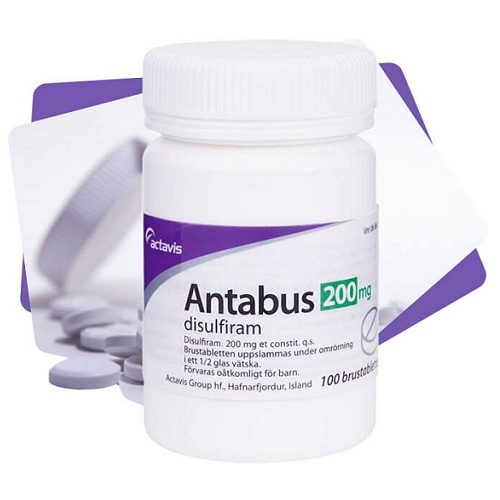
Antabuse (disulfiram) is a prescription medication used to support people with alcohol dependence who are committed to quitting drinking. Its unique effect: even a small amount of alcohol while on Antabuse can trigger an immediate, intensely unpleasant reaction. Before starting, you must understand this medication is not a “cure” — it’s a tool, and its success depends on your commitment and honest planning with your doctor.
Does Antabuse Fit My Situation? The Real-World Role of Disulfiram in Alcohol Dependence
It’s rarely anyone’s first choice. Most people don’t wake up one day and ask for Antabuse by name. Instead, they arrive at this medication after other tools—support groups, counseling, maybe different medications—haven’t gotten them where they need to be. So, why does Antabuse still matter in the United States, decades after its approval? The answer lies in its clinical niche: it is most useful for people who want a strong, external brake on their drinking and who are ready to face the consequences if they don’t stop.
If you’re considering Antabuse, you’re probably wrestling with a specific challenge: intention isn’t the problem, but impulse is. You want to stop drinking. Cravings, social cues, or simple habit keep tripping you up. Antabuse forces a pause. The threat of feeling sick if you drink—sometimes violently so—makes that split-second decision less automatic. It’s not magic. It doesn’t block cravings or “rewire” your brain. It creates a consequence that’s hard to ignore.
- People who benefit most from Antabuse are those with strong motivation, a stable routine, and support—a loved one, a structured environment, or regular check-ins with a healthcare provider.
- For individuals with unpredictable living situations, limited social support, or co-occurring psychiatric conditions not well controlled, Antabuse can be risky or simply ineffective.
- Disulfiram is not for everyone, but when it works, it works for a reason: it changes the cost-benefit equation at the moment of drinking.
“In my experience, Antabuse isn’t about willpower or punishment. It’s about giving the patient a pause long enough to make a different choice. It does not make you want to stop drinking. It makes drinking much less likely to feel ‘worth it’ in the moment. For the right person, that’s enough.”
In clinical practice, Antabuse is not a first-line medication. Current US guidelines typically reserve it for people who have failed or cannot tolerate first-line options (like naltrexone or acamprosate) or who specifically request it [SAMHSA]. That’s not a limitation—it’s a sign that matching the medication to your needs and your readiness is more important than the drug itself.
How Antabuse Works, and Why That Matters for Your Day-to-Day
Disulfiram doesn’t block cravings, doesn’t make you feel better, and doesn’t “replace” alcohol in your system. What it does is block a critical step in alcohol metabolism. When you drink, alcohol is broken down in your liver in two steps: first to acetaldehyde, then to harmless acetic acid. Disulfiram stops the second step. Acetaldehyde builds up. And that’s the problem—because acetaldehyde is toxic and makes you feel sick fast: flushing, pounding heart, nausea, vomiting, chest pain, anxiety, and even, at high enough levels, dangerous complications.
- Disulfiram–Alcohol Reaction
- A rapid and severe set of symptoms (flushing, nausea, rapid heartbeat, shortness of breath, low blood pressure, and more) triggered when alcohol is consumed while taking disulfiram. Severity depends on the dose of both alcohol and disulfiram, but can be life-threatening.
The effect can happen with even tiny amounts of alcohol—cough syrup, aftershave, cooking wine, some desserts. That’s why every US pharmacy and prescriber will warn you: this isn’t a gentle nudge to avoid cocktails. It’s an alarm system that goes off—even if you weren’t trying to “cheat.”
So what does this mean for daily life? Antabuse changes your approach to everything that might contain alcohol. You read labels. You ask questions. You plan ahead—at home, at restaurants, at the pharmacy. For some, that structure is exactly what keeps them safe. For others, it feels like too much risk and hassle.
What Taking Antabuse Really Means: Routine, Triggers, and Everyday Life
Taking Antabuse is less about swallowing a pill and more about changing your relationship with alcohol in every context of your life. In practice, your routine will revolve around three points: adherence (not missing doses), avoiding accidental exposure, and planning for the unexpected.
Daily Dosing and What Happens If You Miss
- Usual Dose: For most adults, the standard starting dose is 500 mg orally once daily for 1-2 weeks, followed by a maintenance dose of 250 mg daily. Doses above 500 mg are rarely used.
- Consistency matters. Missing even one day can lower your protection. The deterrent effect can last up to two weeks after stopping, but it’s unpredictable.
- Never double up on missed doses. If you forget, take it as soon as you remember—unless it’s almost time for your next dose. Then just skip and resume. Never take extra.
| Patient Group | Initial Dose | Maintenance Dose | Special Considerations |
|---|---|---|---|
| Typical Adult | 500 mg once daily, 1-2 weeks | 250 mg once daily | Most common regimen |
| Liver Impairment | 250 mg once daily | 125–250 mg once daily | Lower doses, monitor liver function |
| Older Adults (>65) | 250 mg once daily | 125–250 mg once daily | Use lower end of dosing, monitor more closely |
| Adolescents (rarely used) | Not recommended | Not recommended | Safety/efficacy not established |
For most adults, the maintenance dose is simple and unchanged. If you have liver problems, are older, or have other medical conditions, your doctor will likely use the lower range and monitor you more often. Children and teens are almost never prescribed Antabuse in the US; safety and effectiveness are not established for this group.
Everyday Triggers and Hidden Alcohol
- Read every label. Mouthwash, aftershave, hair tonics, cough syrup, sauces, desserts. These can all contain enough alcohol to trigger a reaction.
- Plan for social situations. Tell trusted friends or family. If you’re going out, check menus, ask about ingredients, and don’t assume “non-alcoholic” always means zero alcohol.
- Carry a medication card. In an emergency, first responders should know you’re on disulfiram. This can affect their choice of medications.
Life After the First Month
Unlike some medications, Antabuse does not lose efficacy over time—as long as you take it. The biggest challenges are “slipping” (skipping doses before planned drinking) and accidental exposure. Many patients do best when dosing is supervised by a loved one, counselor, or pharmacist. In the US, some clinics offer directly observed therapy, especially in early recovery.
In summary: If Antabuse fits your motivation and routine, daily life becomes more structured—but not necessarily more complicated. Success depends on awareness, honesty, and having people in your corner who know exactly what you’re taking and why.
Which Side Effects Matter Most with Antabuse — and When to Act
No medication comes without risks, but Antabuse’s unique danger is tied to its defining feature: the disulfiram–alcohol reaction. That alone is reason enough for healthcare providers in the US to be careful about who gets this prescription. But there are other risks, and some you might not expect—especially if you have liver, heart, or mental health concerns.
What’s Common, What’s Serious
Most side effects are mild and settle as your body adapts: drowsiness, headache, metallic or garlic-like taste, and mild skin rashes. Some patients notice fatigue, acne, or impotence, but these are generally reversible after stopping the drug.
When to Worry — and What to Do
- Liver injury: Yellowing of the skin or eyes, unusual fatigue, dark urine, abdominal pain—call your doctor immediately.
- Neurological symptoms: Mental confusion, mood changes (depression, psychosis), or seizures—seek help right away.
- Cardiac effects: Irregular heartbeat, chest pain, or shortness of breath—requires prompt evaluation.
- Severe skin reactions: Blistering, peeling, or widespread rash calls for stopping the medication and urgent care.
- Allergic reactions: Swelling, difficulty breathing, or hives—call 911.
| Side Effect | Frequency | When to Contact a Doctor |
|---|---|---|
| Disulfiram–Alcohol Reaction | Common if any alcohol is consumed | Always if moderate/severe; call 911 for chest pain, difficulty breathing, fainting |
| Liver toxicity | Rare (<1%) | Jaundice, dark urine, abdominal pain — stop drug, contact doctor immediately |
| Severe rash or blistering | Rare | Stop drug, seek urgent care |
| Mental confusion or mood changes | Uncommon | Contact doctor promptly |
| Sexual dysfunction | Uncommon | If bothersome or persistent, discuss with doctor; not an emergency |
| Drowsiness, headache, metallic taste | Common | If persistent or severe, but not urgent |
Most people never experience severe side effects. The biggest risk by far is drinking alcohol, intentionally or accidentally. That’s why many US doctors will only prescribe Antabuse if you have a plan for support, monitoring, and emergency access. If you ever experience chest pain, trouble breathing, or collapse after drinking on Antabuse—call 911 immediately. Don’t try to “ride it out.”
Who Should Not Take Antabuse: Situations Where It’s the Wrong Tool
- Current or recent alcohol use: Never start Antabuse until you have been alcohol-free for at least 12 hours (ideally 24+). Starting while alcohol is still in your system can trigger a severe reaction.
- Severe cardiac disease: People with coronary artery disease, heart failure, or a recent heart attack are at higher risk for complications from the disulfiram–alcohol reaction.
- Hepatic insufficiency or cirrhosis: Disulfiram can worsen liver damage.
- Psychosis: Active psychosis or a history of severe psychiatric reactions to disulfiram are reasons to avoid this medication.
- Hypersensitivity: Allergy to disulfiram or related compounds (thiuram derivatives).
- Mild liver impairment: May be used with caution and close monitoring.
- Mild cognitive impairment or dementia: Only with close supervision and support.
- Pregnancy: Use only if the potential benefit justifies the risk.
- Age over 65: Lower doses and additional monitoring preferred.
In the United States, Antabuse is almost never prescribed in hospitals or in patients with unstable medical conditions. You and your doctor should carefully review your full history—including any medications, supplements, and over-the-counter products—before starting.
Antabuse vs. Other Medications for Alcohol Dependence: How the Choices Stack Up
| Attribute | Antabuse (Disulfiram) | Naltrexone | Acamprosate |
|---|---|---|---|
| Mechanism | Blocks alcohol metabolism, causing adverse effects if alcohol is consumed | Blocks opioid receptors to reduce rewarding effects of alcohol | Modulates glutamate to reduce cravings and withdrawal symptoms |
| Effect on cravings | No effect | Moderate to strong reduction | Reduces withdrawal-related cravings |
| Effect on drinking if taken | Severe reaction triggers avoidance | Reduces pleasure, may reduce heavy drinking | Helps maintain abstinence but does not block intoxication |
| Common side effects | Drowsiness, metallic taste, skin reactions, potential liver toxicity | Nausea, headache, dizziness, liver toxicity (rare) | Diarrhea, abdominal pain, mood changes |
| Serious risks | Severe reaction with any alcohol, liver injury, psychiatric effects | Liver injury (rare), opioid withdrawal if used with opioids | Kidney impairment (rare), depression/suicidality (rare) |
| Daily commitment | High—requires strict abstinence from all alcohol sources | Moderate—must avoid all opioids | Moderate—requires 2-3 pills daily |
| Prescription status (US) | Prescription only | Prescription only | Prescription only |
| Monitoring needs | Liver function, mental status, alcohol avoidance | Liver function if risk factors present | Kidney function (if risk factors) |
| Cost/Insurance | Generic available; often covered, modest copay | Generic/tablet; usually covered | Generic/tablet; usually covered |
What does the table show? Antabuse stands apart because it is the only medication for alcohol dependence in the US that uses aversion as its mechanism. Naltrexone and acamprosate work differently: they reduce cravings and make drinking less pleasurable, rather than punishing it. In practice, most US clinicians offer naltrexone or acamprosate as first-line choices because they have a lower risk of dangerous reactions—and because they don’t require the same “all in” approach to alcohol avoidance.
If you know you can’t—under any circumstances—risk a relapse, and you want a high-stakes deterrent, Antabuse may be the right choice. If you need help with cravings or want to reduce rather than eliminate drinking, alternatives may fit better. Cost and insurance coverage are rarely a barrier for any of these medications in the United States.
Getting Antabuse in the US: Prescription, Pharmacy, and Payment
In the United States, Antabuse is available only by prescription. This means you will need to see a licensed provider—usually a primary care doctor, psychiatrist, or addiction specialist. Some telehealth services now offer consultations and prescriptions for alcohol dependence, but the provider will still require a full medical history and usually a recent in-person exam, especially to check your liver function.
- Consultation: You’ll discuss your history, goals, and medical concerns. The doctor will ask about your alcohol use, mental health, liver and heart history, medications, and support system.
- Baseline lab tests: Liver function and, sometimes, cardiac tests are needed before starting. Many prescribers will repeat bloodwork periodically during treatment.
- Prescription: If appropriate, you’ll get a prescription for disulfiram (brand or generic). The most common formulation is 250 mg tablets, usually dispensed in a monthly supply.
- Pharmacy fill: Any licensed pharmacy in the US can fill Antabuse prescriptions. Most stock generic disulfiram. If there’s a delay, it’s usually less than 24 hours.
- Insurance and cost: Disulfiram is generic and relatively inexpensive. Most commercial insurance, Medicaid, and Medicare plans cover it, with out-of-pocket costs often under $20/month. Some pharmacies offer discounts for uninsured patients.
If cost is ever a barrier, ask your provider or pharmacist about manufacturer coupons or state assistance programs. For most US patients, cost is rarely the limiting factor—motivation, medical suitability, and support matter far more.
FAQ: Antabuse — Your Real Questions Answered
- Can I ever drink alcohol—just a little—while taking Antabuse?
- No. Even a very small amount of alcohol can trigger a severe reaction, including from foods, sauces, desserts, or medicines that contain alcohol. The risk is not worth it.
- How long after stopping Antabuse does the reaction risk last?
- The deterrent effect may last up to 14 days after your last dose, as the enzyme block can persist. You should avoid all alcohol for at least two weeks after stopping.
- What happens if I accidentally use a product with alcohol in it?
- Reactions vary: mild (flushing, headache) to severe (chest pain, trouble breathing). If you experience anything more than mild discomfort—or if you have heart or breathing symptoms—seek medical help immediately.
- Can Antabuse help with cravings or withdrawal?
- No. Disulfiram does not reduce cravings or treat withdrawal symptoms. Its effect is to create a negative consequence if you drink. If you have strong cravings or withdrawal, discuss alternatives with your doctor.
- Does Antabuse interact with other medications?
- Yes, especially drugs metabolized by the liver (warfarin, phenytoin, certain antidepressants). Always tell your doctor and pharmacist about every medication and supplement you take.
- What if I miss a dose?
- Take it as soon as you remember, unless it’s almost time for your next dose. Do not double up. If you miss more than one day, contact your doctor for guidance.
- Is Antabuse safe during pregnancy?
- Use in pregnancy is not well studied. It should only be considered if the benefits clearly outweigh the risks. If you are pregnant or planning pregnancy, discuss this in detail with your provider.
- Can I use Antabuse as a “one-off” before a high-risk event (like a wedding)?
- Some people ask about this, but Antabuse is designed for consistent, supervised use—not single doses. Taking it sporadically is less effective, and may be more dangerous.
- Will insurance cover Antabuse, and is there a big cost difference between brand and generic?
- Most US insurance plans, including Medicaid and Medicare, cover generic disulfiram. Brand-name Antabuse is rarely stocked and more expensive, with no difference in effect.
References
- Antabuse (disulfiram) Prescribing Information, FDA, 2022. https://www.fda.gov/
- Substance Abuse and Mental Health Services Administration (SAMHSA), Treatment of Alcohol Use Disorder. https://www.samhsa.gov/
- Mayo Clinic, Disulfiram (Oral Route) Patient Information. https://www.mayoclinic.org/
- National Institute on Alcohol Abuse and Alcoholism (NIAAA), Alcohol Treatment Navigator. https://www.niaaa.nih.gov/
- American Psychiatric Association Practice Guideline for the Pharmacological Treatment of Patients with Alcohol Use Disorder, 2018.
- MedlinePlus, Disulfiram. https://medlineplus.gov/
- World Health Organization (WHO), Management of Substance Abuse. https://www.who.int/
