
Buy Stromectol at Low Price Online in the United States
October 20, 2026Buy Ventolin Inhaler in Online Pharmacy in United States
October 20, 2026- Home/
- Buy Seroquel in Online Pharmacy in United States
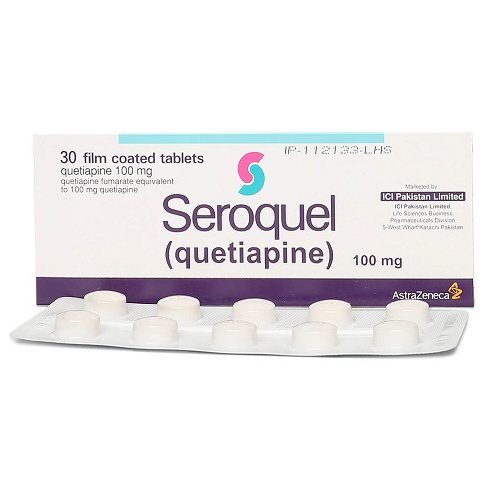
Seroquel (quetiapine) is a prescription medication in the United States used to treat certain mental health conditions, including schizophrenia, bipolar disorder, and as an add-on for major depressive disorder. Before starting Seroquel, know that its effects on mood and thinking can be profound—but so can its risks, especially drowsiness and metabolic changes. Understanding how Seroquel fits into your life is as important as understanding what it does in your brain.
Seroquel in America: What Patients Actually Experience
Imagine this: You’ve just left your psychiatrist’s office, prescription in hand. The word “Seroquel” sits at the top of the page. Maybe you’ve heard of it—a neighbor used it for sleep. Or maybe you’re completely new to medications for mental health. In the United States, Seroquel’s reputation precedes it: powerful, sedating, sometimes controversial. But those stories are only half the truth.
For most patients, Seroquel isn’t the first medication offered. It enters the picture when depression is stubborn, bipolar swings are severe, or schizophrenia needs steadying. It’s never a one-size-fits-all solution. You’ll be told about benefits—stabilized moods, fewer hallucinations, quieter anxiety. You’ll also hear warnings: significant drowsiness, appetite changes, weight gain, even diabetes risk.
STAT HIGHLIGHT: Over 11 million prescriptions for quetiapine were written in the United States in 2022, according to FDA data. Yet, most were not for schizophrenia or bipolar disorder, but for off-label uses like insomnia or anxiety.
What’s often left out of the conversation? How Seroquel’s daily effects—good and bad—shape real life. Patients describe vivid dreams, feeling “hungover,” or a sense of emotional flattening. Others say it’s the first time they’ve felt level in years. The clinical reality: Seroquel doesn’t simply block symptoms; it changes rhythms—sleep, hunger, energy—in ways that touch every part of your routine.
In the U.S., getting Seroquel is strictly regulated. It requires an in-person evaluation or telehealth visit with a licensed prescriber, and you’ll only find it at registered pharmacies. Insurance coverage varies by diagnosis, dose, and formulary status—an obstacle that sometimes shapes treatment more than clinical judgment.
Quetiapine at Work: How Seroquel Shapes Mood and Mind
Seroquel doesn’t just “calm you down”—it acts as a complex chemical chameleon in your brain. At lower doses, it’s primarily sedating. At higher doses, it targets the circuits involved in hallucinations, mood swings, and thought disorder. The shift isn’t just pharmacologic; it’s experiential. Patients often feel the difference before they can describe it.
- How does Seroquel (quetiapine) work?
- Quetiapine blocks several neurotransmitter receptors in the brain, especially dopamine (D2) and serotonin (5-HT2A). This dampens the excess signaling linked to psychosis and mood instability, but also explains why side effects like sleepiness and weight gain are so common.
- What makes Seroquel different from other antipsychotics?
- Compared to older medications, Seroquel is less likely to cause involuntary movement disorders (like tardive dyskinesia). But it’s more likely than some alternatives to cause weight gain, metabolic changes, and sedation—especially at low-to-moderate doses.
Clinical insight: The dose matters. At 25–100 mg, Seroquel acts almost like a sleep aid. At 300–800 mg, it functions as a true antipsychotic or mood stabilizer. The “feel” of the medication at each dose is different—a detail patients often discover only after starting treatment.
- Metabolic Syndrome
- A cluster of conditions—weight gain, high blood sugar, cholesterol changes—linked to antipsychotic use, increasing the risk of diabetes and heart disease.
For those starting Seroquel, the greatest surprise is often its impact on sleep. Doses taken at night can cause deep sedation, which may help insomnia but can also make mornings difficult. This sedative effect lessens over time for some, but for others, it never quite fades.
Choosing Seroquel: When, Why, and What Else?
The decision to prescribe Seroquel is not taken lightly. In mental health care, it stands as both a second-line lifeline and, sometimes, a compromise when other medications have failed or caused intolerable side effects. For many, the central question is not, “Should I take Seroquel?” but, “Why this medication and not another?”
| Medication | Approved Uses | Common Side Effects | Metabolic Risk | Movement Disorder Risk | Prescription Status (U.S.) |
|---|---|---|---|---|---|
| Seroquel (quetiapine) | Schizophrenia, Bipolar I & II, adjunct for MDD | Drowsiness, weight gain, dry mouth | High | Low | Prescription only |
| Risperdal (risperidone) | Schizophrenia, Bipolar I, irritability in autism | Weight gain, anxiety, movement symptoms | Moderate | Moderate | Prescription only |
| Abilify (aripiprazole) | Schizophrenia, Bipolar I, adjunct for MDD, Tourette’s | Restlessness, insomnia, nausea | Low | Low | Prescription only |
In real practice, Seroquel is favored for patients who need strong sedation, cannot tolerate movement side effects, or have failed lighter-weight agents like aripiprazole. But the risk of weight gain and metabolic syndrome can be prohibitive, especially for those with diabetes, high cholesterol, or a history of heart disease. The choice is rarely black and white—each alternative brings its own set of trade-offs.
Doctor’s Perspective:
“When I recommend Seroquel, it’s usually because the patient’s symptoms are severe—and other options have either failed or caused too much agitation, tremor, or insomnia. I always discuss the likelihood of weight gain and the need to monitor blood sugar. For some, Seroquel is the only medication that ‘works’—but it comes with strings attached.”
Life on Seroquel: What Daily Use Really Means
Starting Seroquel is not just a medical decision—it’s a lifestyle change. Within days, most patients notice the sedation. Planning when to take your dose becomes a nightly ritual, and for some, mornings become a slog. Hunger can ramp up, sometimes dramatically. Weight gain is common and can be rapid, especially in the first few months.
- Sleep: Seroquel’s sedative punch is strongest in the first weeks but often persists. Many patients must adjust their bedtime routine, avoid driving late, and plan for extra morning recovery time.
- Appetite: Carb cravings and weight gain are frequent complaints. Patients trying to lose weight or manage diabetes need active strategies—portion control, scheduled meals, regular weigh-ins.
- Daily Function: Some report a ‘fog’—mental sluggishness or difficulty concentrating. This can be dose-dependent. A slow increase in dose (“titration”) may help minimize this.
- Routine Labs: Periodic blood tests check for changes in blood sugar, cholesterol, and, rarely, effects on white blood cells. Monitoring is not optional; it’s standard of care in the U.S.
⏰ Practical Tip: Take Seroquel at night unless specifically instructed otherwise. Avoid alcohol and driving until you know how the medication affects you.
For many, Seroquel becomes background noise—its presence felt mostly as an anchor against mood swings or psychosis. But for others, especially those sensitive to sedation or weight gain, it can feel like a daily negotiation.
| Condition | Starting Dose (mg) | Typical Target Dose (mg/day) | Maximum Dose (mg/day) |
|---|---|---|---|
| Schizophrenia | 50 | 300–400 (divided) | 800 |
| Bipolar Mania | 100 | 400–800 (divided) | 800 |
| Bipolar Depression | 50 | 300 | 300 |
| Adjunct in MDD | 50 | 150–300 | 300 |
What does this mean in practice? Most patients start at a low dose to reduce side effects, then increase over several days to weeks. Never adjust your dose without your provider’s guidance. Extended-release (XR) and immediate-release (IR) forms are not interchangeable—if your pharmacy switches you, clarify with your doctor.
Which Side Effects Matter Most with Seroquel—and When to Act
Every medication carries risks, but Seroquel’s side effect profile is distinct—and patients in the United States are more likely to stop or switch because of sedation and metabolic changes than any other reason. Some side effects are nuisances. Others are red flags.
- Drowsiness & Sedation: The most reported complaint. For many, it fades with time, but some experience profound grogginess throughout treatment. Caution: Drowsiness increases fall and accident risk, especially in older adults.
- Weight Gain & Appetite Increase: Not everyone gains weight, but those who do often notice changes quickly. Weight gain can be substantial and is linked to increased risk of developing diabetes, especially with long-term use.
- Metabolic Changes: Seroquel may increase blood sugar and cholesterol—even in those without prior risk. Routine labs are critical for early detection.
- Orthostatic Hypotension: A sudden drop in blood pressure when standing up, leading to dizziness or fainting. Most common during dose increases or in older adults.
- Movement Symptoms: Rare, but possible—especially at higher doses. Tremor, restlessness, or muscle stiffness should be reported.
- Serious Reactions: Severe allergic reactions, fever with confusion (possible neuroleptic malignant syndrome), or sudden rash require immediate medical attention.
| Side Effect | Frequency | When to Contact a Doctor |
|---|---|---|
| Drowsiness | Very common | If it severely limits daily function or causes falls |
| Weight gain | Common | If weight increases >5% in 2 months or causes distress |
| High blood sugar | Common | If you have symptoms: increased thirst, urination, confusion |
| Dizziness/fainting | Common | If frequent or associated with falls |
| Movement symptoms | Uncommon | Any new tremor, stiffness, or restlessness |
| Severe allergic reaction | Rare | Immediate medical attention required |
In practice, metabolic side effects are managed through regular lab checks—usually every 3–6 months. Sedation may be eased by dose adjustment or timing changes. If you ever feel physically or mentally “off” in a new way, don’t wait: contact your provider or pharmacist. Many side effects are manageable if caught early.
⚠️ Warning: Never stop Seroquel suddenly without medical guidance. Sudden discontinuation can cause withdrawal symptoms, rebound insomnia, and—in some cases—worsening of psychiatric symptoms.
Who Should Never Take Seroquel: Critical Warnings and Gray Zones
Absolute Contraindications
- Known allergy to quetiapine or any component of Seroquel: Any history of hypersensitivity or severe allergic reaction rules out use.
- Current use of certain strong CYP3A4 inhibitors: Medications like ketoconazole can dramatically increase Seroquel levels, risking toxicity.
Relative Contraindications and Clinical Context
- History of diabetes or uncontrolled metabolic syndrome: Seroquel increases risk of hyperglycemia and should be used cautiously, if at all, in this group.
- History of heart disease, arrhythmia, or congestive heart failure: Seroquel can prolong the QT interval and worsen arrhythmias. Electrocardiogram (ECG) monitoring may be required.
- Older adults with dementia-related psychosis: Seroquel (and all antipsychotics) carry an increased risk of stroke and death in this population and are not FDA-approved for this use.
- Liver impairment: Dose adjustment or alternative medication may be needed.
- Pregnancy and breastfeeding: Use only if benefits clearly outweigh risks. Human data is limited; discuss thoroughly with your provider.
⚠️ Caution: Seroquel interacts with many medications, including certain antibiotics, antifungals, HIV drugs, and epilepsy medicines. Always review your full medication list with your provider and pharmacist.
Getting Seroquel in the U.S.: Prescription, Cost, and Access
💊 Access Note: Seroquel is only available by prescription from a licensed provider in the United States. Pharmacists will not dispense it without a valid prescription and clinical indication.
Insurance coverage for Seroquel is highly variable. Most plans require a mental health diagnosis (schizophrenia, bipolar disorder, or adjunctive MDD) and may require “step therapy”—meaning you must try one or more other medications first. Generic quetiapine is widely available and usually less expensive than brand-name Seroquel, but out-of-pocket costs can still range from $10 to over $100 monthly depending on dose and pharmacy.
- Prior Authorization: Some insurers require your provider to submit extra paperwork to justify the prescription, especially for off-label uses.
- Pharmacy Availability: As a common medication, quetiapine is stocked by nearly all retail, independent, and mail-order pharmacies.
- Discount Programs: Many large pharmacy chains and third-party savings programs offer discounts for generic quetiapine, but not always for brand-name Seroquel XR.
- Telehealth Access: In most states, Seroquel can be prescribed via telehealth if you have a video consultation with a licensed provider.
What if I can’t afford Seroquel? If cost is a barrier, ask your provider or pharmacist about generic options, patient assistance programs from the manufacturer, or state pharmacy discount cards. Never buy quetiapine from unverified online sources—the risks of counterfeit medications are real and significant in the U.S.
| Formulation | Availability | Typical Cost (30-day supply) | Insurance Coverage |
|---|---|---|---|
| Seroquel (brand, IR) | Limited (most pharmacies) | $120–$300 | Usually covered, but generic preferred |
| Seroquel XR (brand, extended-release) | Some pharmacies by order | $350–$500 | Restricted; prior authorization common |
| Quetiapine (generic) | Nearly all pharmacies | $10–$60 | Widely covered |
For most patients, generic quetiapine offers the same clinical effect as brand-name Seroquel. If your pharmacy substitutes one for the other, double-check the dosing and release formulation—especially if you have been stable on a specific version.
Seroquel FAQ: Real Questions from Real Patients
- How long does it take for Seroquel to start working for mood symptoms?
- For sleep, Seroquel’s sedative effects can be felt within hours. For mood stabilization in bipolar disorder or depression, most patients notice improvement within 1–2 weeks, but full benefits may take several weeks. Always give it time, but don’t hesitate to report any early side effects.
- Why do I feel so sleepy on Seroquel—will it go away?
- Drowsiness is a common side effect, especially at the start. Some patients adjust after a few weeks, but others may need a dose or schedule change. If sleepiness limits your daily life, talk with your provider.
- Is Seroquel safe for long-term use?
- Many patients take Seroquel for months or years, but long-term use increases the risk of weight gain, diabetes, and high cholesterol. Regular monitoring with your doctor—including blood tests—is essential for safety.
- Is it true Seroquel is sometimes prescribed “off-label” for insomnia or anxiety?
- Yes. In the U.S., Seroquel is commonly used off-label for severe insomnia or anxiety, but this is not an FDA-approved use and carries risks. Insurance may not cover it for these reasons. Discuss risks and benefits with your provider if prescribed for an off-label use.
- Can I drink alcohol while taking Seroquel?
- It is not safe to combine Seroquel with alcohol. Both substances cause sedation and can amplify drowsiness, confusion, and risk of falls or accidents. Avoid alcohol entirely or consult your provider for specific advice.
- What should I do if I miss a dose?
- If you miss a dose, take it as soon as you remember unless it’s close to your next scheduled dose. Never double up. For missed extended-release doses, follow your provider’s instructions—timing matters.
- How do I stop taking Seroquel safely?
- Never stop Seroquel abruptly. Work with your provider to taper the dose gradually. Stopping suddenly can cause withdrawal symptoms (nausea, insomnia, agitation) and risk relapse of your mental health condition.
- Does Seroquel interact with other medications?
- Seroquel interacts with many drugs, especially those affecting liver enzymes (CYP3A4), such as certain antibiotics, antifungals, and anti-seizure medications. Always provide your complete medication list to your prescriber and pharmacist to avoid harmful interactions.
References
- U.S. Food and Drug Administration (FDA)
- Quetiapine (Oral Route) Description – Mayo Clinic
- American Psychiatric Association. Practice Guideline for the Treatment of Patients with Schizophrenia. 2020.
- National Institute of Mental Health
- NIMH: Mental Health Medications – Antipsychotics
- PubMed – U.S. National Library of Medicine
- AstraZeneca (Official Seroquel Manufacturer Website)
- Product Label: Seroquel (quetiapine fumarate) tablets, FDA, Revised 2022
