

Insuring a Second Home Without Coverage Gaps
August 15, 2026
What Renters Insurance Covers for Your Home
August 19, 2026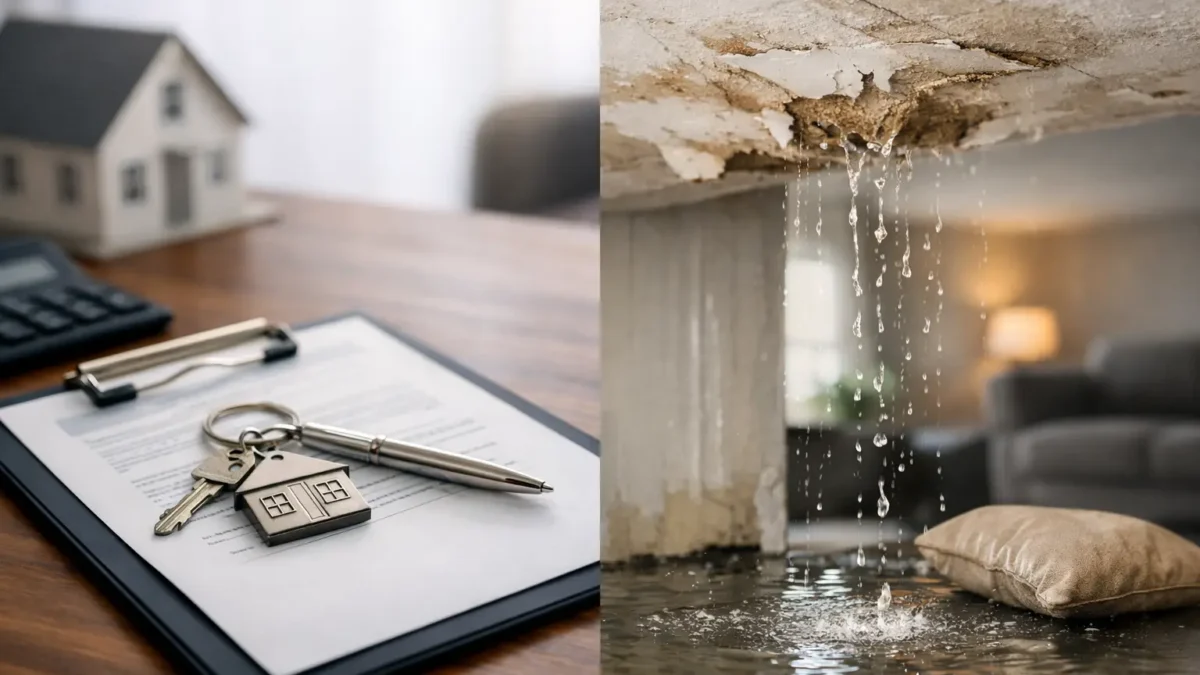
A washing machine hose bursts while you are at work. By the time you return, water has reached the flooring, baseboards, and the room below. In that moment, the question is immediate: does insurance cover water damage? Often, homeowners, condo, renters, and landlord insurance can help with sudden, accidental water damage. But the source of the water, the wording of your policy, and how long the problem existed can change the answer.
Water is one of the most common causes of property loss, yet it is also one of the most misunderstood coverage areas. A standard property policy is designed to address certain unexpected events. It is not designed to replace worn-out plumbing, correct long-term moisture problems, or cover every form of flooding. Understanding that distinction before water reaches your floors can help you make better coverage choices.
Does Insurance Cover Water Damage From a Burst Pipe?
In many cases, yes. Standard homeowners insurance commonly covers damage caused by a sudden and accidental discharge or overflow of water. A burst pipe, failed appliance hose, overflowing toilet, or broken water heater may fall within this category when the event was unexpected.
Coverage can apply to damaged parts of the home, such as drywall, flooring, cabinets, and built-in fixtures. It may also help with eligible personal belongings damaged by the water. If the home cannot be safely occupied during covered repairs, some homeowners policies may provide additional living expense coverage for temporary housing and certain added daily costs, subject to the policy limits and terms.
There is an important trade-off: while the resulting water damage may be covered, the failed item itself may not be. For example, a policy may help pay to repair water-damaged flooring after a water heater fails, but not pay to replace the aging water heater that caused the problem. The same concept can apply to a deteriorated pipe or appliance part.
Condo owners need to look at both their individual condo policy and their association’s master policy. The association may insure portions of the building, while your personal policy may protect interior finishes, belongings, and certain assessments. The dividing line varies by association documents and state rules, so it is worth reviewing before a water event forces quick decisions.
When Water Damage Is Usually Excluded
The word “water damage” can describe very different situations. Insurance coverage depends less on the visible puddle and more on how the water got there.
Floodwater from outside
Water that enters from rising rivers, overflowing lakes, storm surge, or runoff accumulating on normally dry land is generally considered flood damage. Standard homeowners, renters, condo, and landlord policies typically exclude it.
Flood insurance is separate coverage. It can be especially valuable for homes near water, but flood risk is not limited to coastal or riverfront properties. Intense rainfall can overwhelm drainage systems in neighborhoods that have never been labeled high risk. Mortgage lenders may require flood coverage for properties in designated high-risk areas, but a lender requirement is not the only reason to consider it.
Water backup from sewers or drains
A sewer or drain backup is another common surprise. Water may enter through a sink, toilet, shower drain, or floor drain because of a blockage, overloaded municipal system, or other backup event. Many standard policies limit or exclude this damage unless you add a water backup endorsement.
This optional protection is often relatively affordable compared with the cost of cleaning and restoring a lower level. Still, the amount of coverage matters. A modest limit may not be enough for a finished basement with flooring, furniture, electronics, and built-in storage.
Gradual leaks and deferred maintenance
Insurance is generally intended for sudden events, not conditions that developed over time. A slow leak under a sink that damages a cabinet over months, repeated seepage around a shower, or rot caused by chronic roof deterioration may be excluded.
That is why routine upkeep matters. Checking supply lines, replacing aging hoses, monitoring water bills for unexplained increases, cleaning gutters, and repairing roof damage promptly can reduce the odds of a costly problem. Maintenance also helps document that you have taken reasonable steps to protect the property.
Mold and moisture-related damage
Mold coverage can be limited, particularly when it results from an ongoing leak, humidity, poor ventilation, or an excluded water event. If mold develops as a direct result of a covered sudden water event, some policies may provide limited coverage, but the available amount and conditions differ by carrier.
What Water Damage Coverage Looks Like by Property Type
The right policy depends on your role in the property. Homeowners insurance generally protects the structure, personal property, personal liability, and additional living expenses within the selected coverage limits. A homeowner should pay particular attention to dwelling coverage, which needs to reflect the cost to rebuild rather than the home’s market value.
Renters insurance does not insure the building itself, but it can protect your belongings when a covered water event damages them. Your landlord’s policy generally covers the building, not your furniture, clothing, electronics, or other personal items. Renters can also benefit from considering water backup protection where available.
Landlord insurance is built for rental homes and may help protect the dwelling, landlord-owned appliances or furnishings, and lost rental income after certain covered events make the property uninhabitable. A landlord should not assume a tenant’s renters policy will protect the building. Likewise, tenants should not assume the landlord’s policy protects their possessions.
For commercial landlords and business owners, water protection should be considered alongside the building’s construction, equipment, inventory, lease responsibilities, and business interruption exposure. A small plumbing event can become expensive when it interrupts operations or affects multiple tenants.
Read These Parts of Your Policy Before You Need Them
A policy review does not need to be complicated, but a few details deserve careful attention. Review your deductible first. This is the amount you pay out of pocket before eligible policy benefits apply. A higher deductible may lower the premium, but it also means more financial responsibility after a water event.
Next, look for sublimits and endorsements. Water backup, mold, matching materials, and additional living expenses can all have specific terms. Ask whether personal property is covered at replacement cost or actual cash value. Replacement cost generally helps pay for a new comparable item, while actual cash value reflects depreciation.
Also confirm whether the policy has enough dwelling coverage to rebuild the home at current local construction costs. Renovations, additions, rising labor costs, and higher material prices can leave a home underinsured if coverage has not been reviewed recently.
What to Do When You Find Water in Your Home
Your first priority is safety. If water is near electrical outlets or panels, avoid the area and contact a qualified professional. If you can safely stop the source, turn off the water supply or the appliance valve. For a major leak, shutting off the home’s main water valve can limit further damage.
Take clear photos and videos before moving damaged items when practical. Remove standing water and begin drying as soon as possible, using fans, dehumidifiers, or qualified restoration professionals as needed. Keep records of emergency mitigation expenses and communicate promptly with your insurance company about the loss. Acting quickly can help limit damage and preserve materials that may be needed during the review.
Avoid throwing away damaged property until you receive direction from the insurer, unless it creates a health or safety issue. If an item must be discarded, photograph it and keep any identifying information you can.
Choose Coverage for the Water Risks You Actually Have
The best water protection is rarely a one-size-fits-all package. A homeowner with a finished basement may prioritize a strong water backup limit. A coastal property owner may need to evaluate flood insurance. A landlord may need coverage structured around rental income and the condition of an older building. Someone buying a condo needs to understand where the association’s protection stops and their own responsibility begins.
HDA Insurance Brokerage can help you compare options, review exclusions, and tailor property coverage to your home, rental, condo, or business property. A short review before closing, refinancing, renovating, or renewing can reveal gaps that are far easier to address while everything is dry.
Water damage is stressful because it moves fast. The right time to ask about burst pipes, backup protection, and flood coverage is while you still have time to choose the limits that fit your property and budget.
