

Rental Property Coverage Audit: What to Review
November 1, 2026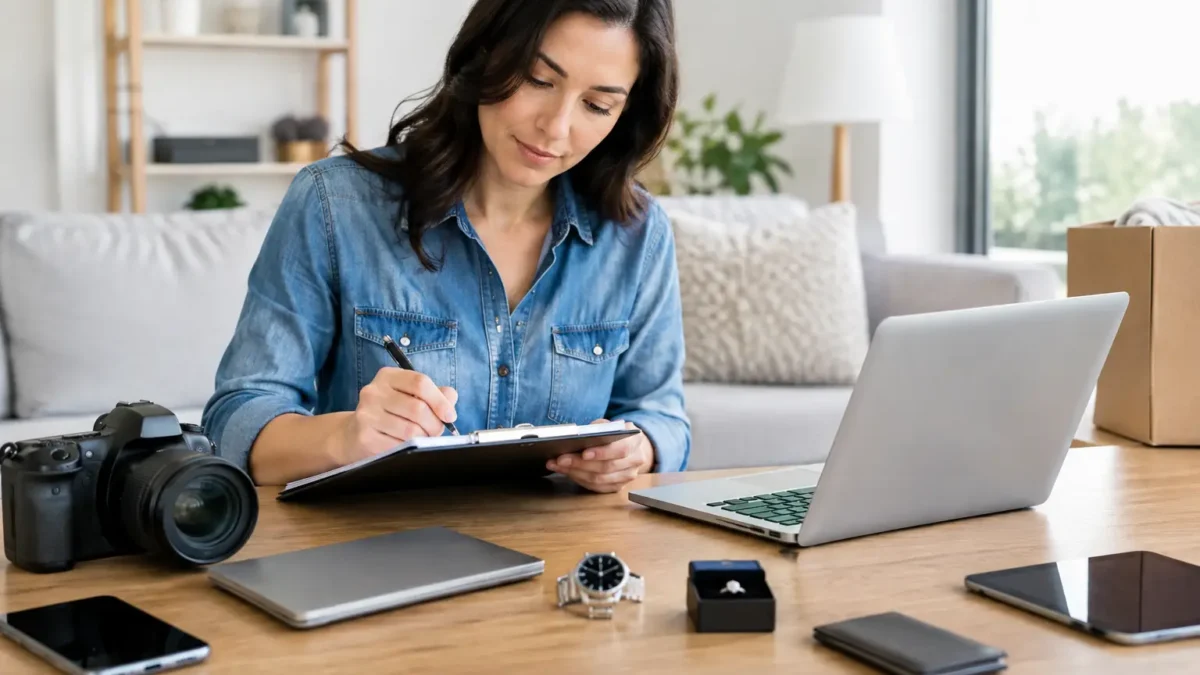
A kitchen fire, burst pipe, or break-in can turn familiar belongings into a long list of details that are hard to recall under pressure. When you create a personal property inventory before anything happens, you give yourself a clear record of what you own, what it may cost to replace, and where to find the proof. It is one of the most practical ways to prepare for a loss and make better decisions about homeowners, condo, or renters coverage.
An inventory does not need to be perfect to be useful. Start with the items that would be expensive, difficult to remember, or personally meaningful. Then build it out over time as your household changes.
Why a Personal Property Inventory Matters
Your belongings are a meaningful part of the protection built into a property insurance policy. Furniture, clothing, electronics, kitchenware, sporting goods, tools, and many other possessions may be covered when a covered event damages or destroys them. Yet the total value of those everyday items often surprises people.
A room-by-room record makes that value visible. It can also help you spot gaps between the amount of personal property coverage on your policy and the cost of replacing your belongings at current prices. A first apartment may need a simple inventory. A furnished home, condo, vacation property, or rental home with owner-supplied furnishings may require a more detailed approach.
The inventory is also useful beyond an emergency. It provides a concrete starting point when reviewing deductibles, special limits, and valuable-item protection with an insurance advisor. Instead of estimating from memory, you can discuss the property you actually own.
How to Create a Personal Property Inventory Room by Room
Choose a format you can maintain. A spreadsheet works well for people who like organized records. A notes app or dedicated inventory app can make it easier to add photos while walking through the home. A simple document with folders of labeled images is also a good choice. Consistency matters more than the tool.
Begin at one entrance and move through the home in a logical order. Finish one room before starting another. For each room, take wide photos that show the overall space, then take closer photos of cabinets, closets, shelves, drawers, and storage areas. A slow video walkthrough can capture a great deal quickly, especially for clothing, books, pantry items, and collections.
For higher-value belongings, create individual entries. Include the item description, brand, model, serial number, purchase date if known, original cost, estimated replacement cost, and the location where it is kept. Photograph identifying labels, serial-number plates, receipts, certificates, and appraisals when available.
For ordinary household goods, grouping is reasonable. You do not need a separate line for every glass or towel. An entry such as “everyday kitchenware, two cabinets” with photos and a reasonable estimated value is more helpful than postponing the project because it feels too large.
Start With the Items That Need Extra Attention
Some belongings may be subject to specific dollar limits in a standard policy, even when your overall personal property limit is higher. Jewelry, watches, fine art, collectibles, firearms, cameras, musical instruments, and certain electronics are common examples. The exact limits and available options depend on the insurer and policy.
These items deserve individual descriptions and supporting documents. For a ring, note the metal, stone details, setting, appraisal date, and photographs from several angles. For a camera or instrument, record the serial number and accessories. If an item has appreciated or was inherited, an old receipt alone may not reflect its present value.
A scheduled personal property endorsement may offer broader protection or higher limits for qualifying valuables. Whether it makes sense depends on the item, its value, how it is used, the deductible, and the available policy options. An inventory gives you the information needed for that conversation.
Record Values That Reflect Your Coverage
Many property policies settle personal belongings on either actual cash value or replacement cost terms. Actual cash value generally considers depreciation. Replacement cost coverage is designed to help replace eligible items with comparable new ones, subject to the terms and conditions of the policy.
That difference can be substantial for furniture, electronics, clothing, and appliances. A five-year-old television may have a low resale value, while a comparable new television costs considerably more. Read your policy carefully and ask how personal property is valued before deciding that your current limits are enough.
Use current retail prices when estimating replacement cost. Search your own receipts first, then look at comparable new items from reputable retailers if you no longer have proof of purchase. Avoid undervaluing a household simply because many purchases were made over several years. Replacement happens at today’s prices, not yesterday’s.
Also separate your belongings from the building itself. A condo policy may cover interior finishes in a way that differs from the association’s master policy. Renters generally insure their possessions but not the structure. Homeowners and landlords may have different responsibilities depending on whether a residence is owner occupied, tenant occupied, or partially furnished.
Keep Your Records Safe and Current
An inventory kept only in a desk drawer may be unavailable after a severe home event. Save a digital copy in a secure cloud account, encrypted drive, or another location outside the residence. Keep paper appraisals, receipts, and certificates in a water-resistant file, and scan them as a backup.
Set a calendar reminder to review the inventory once a year. The best time is often after a major purchase, move, renovation, marriage, divorce, new child, or inheritance. Update it when you purchase jewelry, replace appliances, upgrade electronics, furnish a room, or add equipment for a hobby or side business.
For landlords, document furnishings and appliances you provide in a rental property separately from your own household belongings. Include make, model, condition, and photos taken before occupancy. This helps keep your insurance review organized and clarifies which property belongs to the owner.
Common Mistakes to Avoid
The most common mistake is waiting for a perfect weekend to complete the entire inventory. Start with one closet, one room, or the most valuable items. A partial record created today is far more useful than a flawless plan that never gets started.
Another mistake is relying on memory for serial numbers, purchase dates, and values. Photos solve much of this problem quickly. Open drawers and cabinets, photograph labels, and narrate a video as you walk through the home. You can refine the details later.
Finally, do not assume every event or every item is covered in the same way. Flood and earthquake damage are commonly handled through separate coverage options, and personal property protection has limits, exclusions, and deductibles. Your inventory is an excellent tool, but it is not a substitute for reviewing the policy designed around your property and risk exposure.
Use Your Inventory During an Insurance Review
Bring the completed inventory, or even your first draft, to a coverage review. It helps an advisor evaluate whether your personal property limit still fits your household, whether replacement cost protection is available, and whether high-value belongings need additional attention.
HDA Insurance Brokerage can help property owners compare clear coverage choices and tailor protection to the home, condo, rental, or apartment they occupy. The goal is not to insure every item blindly. It is to understand what you have, what you could afford to replace, and where stronger protection may be worthwhile.
Set aside 30 minutes this week, start with the room you use most, and save the first set of photos somewhere secure. That small task can make a future insurance decision far more manageable.
