

How to Lower Home Premiums With Discounts
October 14, 2026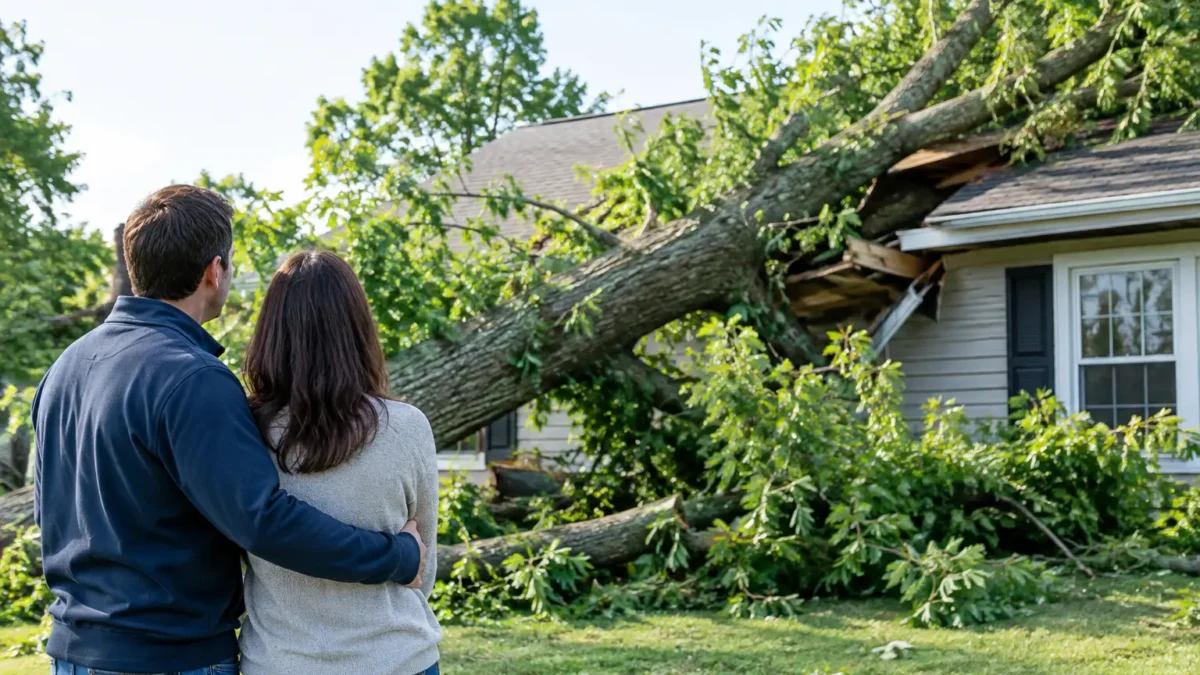
A mature oak can shade a home for decades, then become a serious financial concern during one night of high wind. Tree damage coverage can help when a falling tree or branch damages insured property, but the tree itself is not automatically covered in every situation. The cause of the fall, what was damaged, and the details of your homeowners policy all matter.
For homeowners, buyers, and landlords, the most useful question is not simply, “Does insurance cover fallen trees?” It is, “What part of this event does my policy cover, and what costs will remain mine?” Understanding that distinction before a storm can prevent unwelcome surprises when quick decisions are needed.
What Tree Damage Coverage Usually Protects
A standard homeowners policy generally provides protection for sudden, accidental damage caused by covered events such as windstorms, lightning, hail, or the weight of ice and snow. If a covered event causes a tree to fall onto your house, the policy may help pay to repair the damaged portion of the structure, subject to your deductible and policy limits.
This protection may extend beyond the main house. A detached garage, shed, fence, and similar structures can be insured under the other-structures portion of a policy. Personal belongings damaged inside the home may also be covered, although the amount available and whether replacement cost applies depend on the coverage you selected.
For example, if wind breaks a large limb that crashes through a roof, the policy may help pay for roof and interior repairs. If the same limb damages patio furniture or equipment stored in a detached shed, those items may be evaluated under different sections of the policy. One incident can involve several coverage limits, which is why reviewing the full policy matters.
The key is that insurance typically responds to damage from a covered cause, rather than paying simply because a tree has fallen on your property.
When Removal Costs May Be Included
Removing a downed tree can be expensive, especially when it requires heavy equipment, utility coordination, or emergency access to the home. Yet removal coverage is often more limited than homeowners expect.
If a covered tree fall damages an insured structure, many homeowners policies include a stated amount for removing the tree. The available amount may be capped per tree, per event, or both. A tree that blocks a driveway but does not damage a covered structure may receive limited help or no help at all, depending on the policy language.
Some policies also offer limited coverage when a fallen tree blocks a driveway designed for vehicle access or a ramp used by a person with a disability. The exact conditions vary by carrier. Do not assume that a tree across the yard, patio, or pool area will qualify for removal reimbursement simply because it is inconvenient or unsafe.
Emergency mitigation is different from landscaping restoration. Removing a branch from a damaged roof or tarping an exposed area may be necessary to prevent further damage. Replacing ornamental trees, regrading a yard, or restoring landscaping after the work is complete may have much narrower protection.
A Dead or Neglected Tree Changes the Conversation
Homeowners insurance is designed for sudden accidents, not predictable maintenance problems. If a tree was visibly dead, rotted, diseased, or leaning for an extended period before it fell, the insurer may question whether the loss resulted from neglect rather than an unexpected event.
That does not mean every old tree is excluded. Trees age, weather changes quickly, and healthy-looking limbs can break without warning. But documented warning signs can create coverage issues, particularly if an arborist, neighbor, or local authority previously identified a hazard.
Routine property care is one of the best ways to protect both your home and your coverage position. Watch for hollow trunks, fungal growth, large dead limbs, cracked branch unions, exposed roots, and trees growing too close to roofs or power lines. When professional trimming or removal is recommended, keep the estimate and work record. Those documents may be useful if questions arise later.
Landlords should take the same approach at rental properties. A periodic exterior inspection is a practical part of protecting the building, tenants, and investment income. A low premium does not offset the cost of overlooking a known hazard.
If Your Neighbor’s Tree Falls on Your Home
Many people assume the owner of a fallen tree automatically pays for all resulting damage. In practice, responsibility generally follows negligence, not property lines.
If a healthy tree falls during a severe storm and damages your home, your own homeowners policy may be the starting point for repairing your property. If the neighbor knew, or reasonably should have known, that the tree was dangerous and failed to address it, there may be a basis to seek recovery from that neighbor. Evidence can matter, including photos showing the tree’s condition, prior written notices, inspection reports, and dated communications.
The same principle applies in reverse. If a tree from your property damages a neighbor’s fence, roof, or vehicle, the facts surrounding the tree’s condition are significant. Avoid arguing over responsibility at the scene. Take clear photos, document the date and weather conditions, and preserve any records related to prior tree maintenance.
Important Exclusions and Limits to Review
Tree-related damage can expose gaps that are easy to miss when reviewing a declarations page. A policy may cover a wind-related tree fall while excluding damage tied to events that require separate protection.
Flooding is a common example. If floodwater destabilizes a tree and it damages property, the source of the loss and the policy wording can affect the result. Earth movement can create similar questions after an earthquake, landslide, or sinkhole event. Standard homeowners insurance often does not provide the same protection for these hazards as it does for wind or lightning.
Deductibles also deserve attention. A repair can be covered but still fall below your deductible, leaving you responsible for the expense. In areas prone to hurricanes, wind or named-storm deductibles may be calculated differently from a standard flat-dollar deductible. That can significantly change your out-of-pocket cost after a major weather event.
Coverage limits matter as well. Rebuilding costs have risen in many markets, and a dwelling limit set years ago may not reflect what it would cost to repair today. Detached structures, landscaping-related removal, and personal property each have their own limits and conditions. A policy review is more useful when it considers the whole property rather than focusing only on the roof.
What to Do After a Tree Damages Your Property
Safety comes first. Stay away from downed power lines, unstable trees, broken glass, and areas where the roof or ceiling appears compromised. If the home cannot be safely occupied, follow local emergency guidance and contact the appropriate utility or emergency professionals.
Once the area is safe, take photos and videos from a safe distance before debris is removed. Capture the tree, the damaged structure, the surrounding area, and any visible weather-related evidence. Make reasonable temporary repairs to prevent additional damage, such as covering an opening with a tarp when it can be done safely. Save receipts for emergency work and materials.
Then review your policy details and notify your insurer promptly. Avoid authorizing extensive permanent repairs until the damage has been documented and you understand the process. If a contractor approaches after a storm, verify licensing, scope of work, and written pricing before signing an agreement. Storm conditions can create urgency, but they can also attract high-pressure sales tactics.
Choose Coverage Before the Tree Falls
The right homeowners policy is not just a requirement for a mortgage. It is a plan for the unpredictable costs that come with owning property. When reviewing tree damage coverage, ask about dwelling limits, other-structure limits, personal property protection, deductibles, tree-removal allowances, and exclusions connected to wind, flood, and earth movement.
HDA Insurance Brokerage can help homeowners and landlords compare options and customize protection around the property they own, the risks they face, and the budget they need to manage. A short coverage review before storm season can be far easier than sorting through limits after a fallen tree has already changed the view outside your window.
